A Field Guide to Active Places
The places being designed, repurposed and reimagined to get people moving
Thomas Heatherwick's Humanise makes a simple argument: most of what we build today is functional, but forgettable — optimised for efficiency, safety, budget and bureaucracy rather than for how a place makes you feel.¹ The same critique applies to a lot of what we build for movement, sport and activity. Parks, recreation facilities and leisure centres 'work'. Often people frequent them because they have no alternative. They just don't always make everyone excited, or invited, to use them.
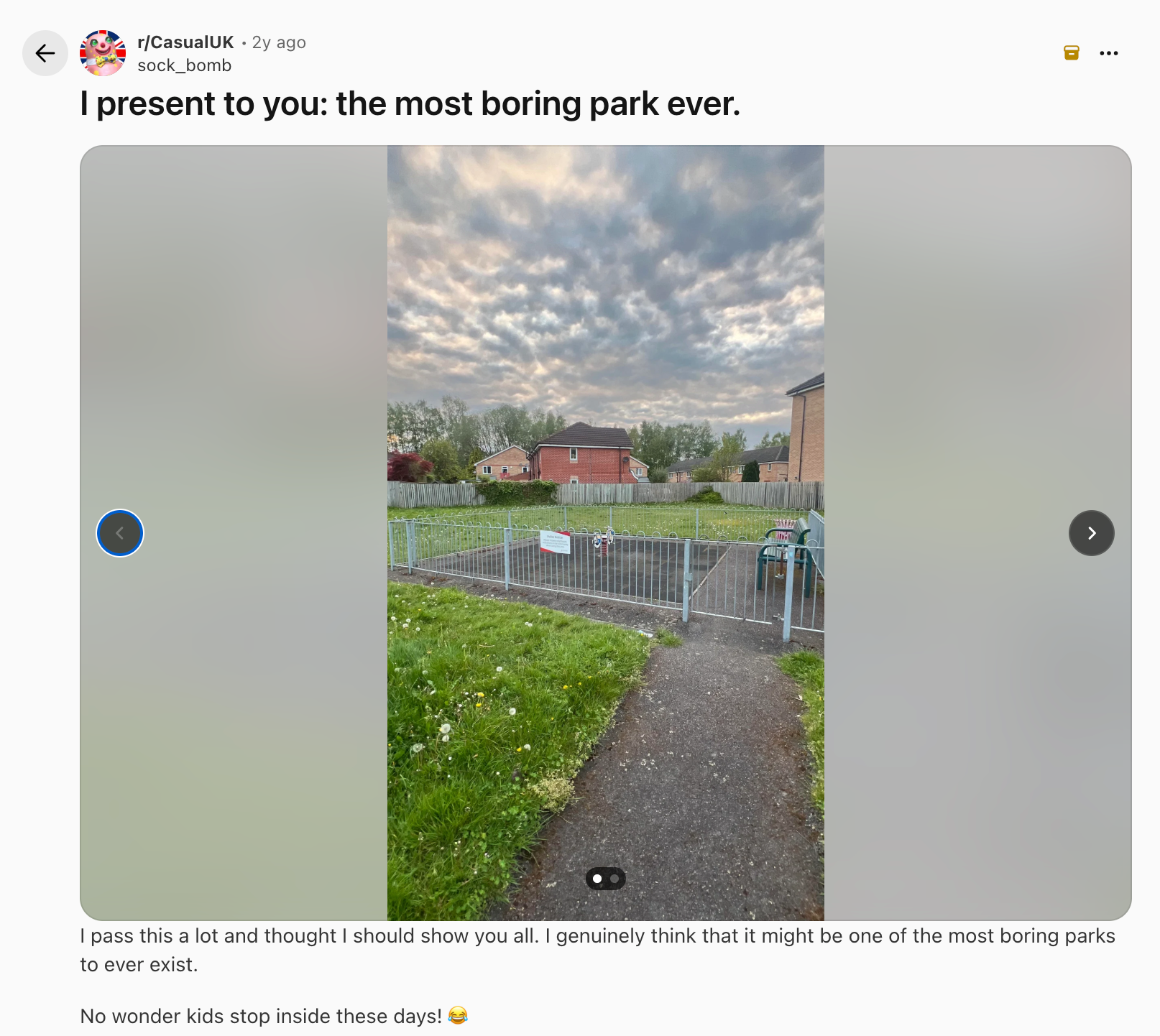
Link to original Reddit post. Comments are worth a read.
This issue matters more than ever
Nearly a third of adults worldwide (about 1.8 billion people) don't meet basic physical activity guidelines, a figure that's risen five points since 2010.² Among adolescents, inactivity runs above 80%, at an estimated cost to health systems of $27 billion a year.³ In response, urban designers, architects, transport planners, public health experts and behavioural scientists have converged on a shared question: how do we build places that make an active life the default?
This way of thinking now has a name: Active Design.⁴,⁵ It asks a simple question: how might every place make movement a little more likely? Rather than treating physical activity as something reserved for gyms and weekend sport, it treats movement as something woven into everyday life: walking to school, taking the stairs, playing while you wait, cycling to work, stopping to climb, balance, swing or explore.
Much of that conversation focuses on everyday environments and delivering opportunities for movement beyond formal sport and exercise. Guidance seeks to encourage physical activity across things like streets, schools and buildings, helping to create 'active environments'. This broadening shift moves us toward embedding activity day to day, not just in a leisure centre a twenty-minute drive away or time-boxed indoor gym session.
Public imagination is expanding beyond ‘parks and recreation’
You can see it playing out in the design of public spaces around the world. Public imagination is expanding beyond "parks and recreation", "leisure centres" and fenced playgrounds alone. None of what follows is entirely new. Most of these places, in some form, have existed for years—sometimes revived across decades by volunteers, communities, councils or sheer stubbornness. What is new is the intent: a wider family of hybrid typologies is now being recognised, funded and designed deliberately as a response to rising sedentary lifestyles, screen time and car-dominated streets. They blur the boundaries between recreation, public space and everyday infrastructure.
Once you begin looking through the lens of Active Design, you start noticing these places everywhere—and the different forms of engagement and activity they encourage. More importantly, you begin noticing where these places don't yet exist, or where they have the potential to thrive.
But the next evolution of Active Design cannot simply be about adding more infrastructure or encouraging more people into existing ones. It must ask a deeper question: what makes a place become part of people's lives?
The most successful active environments are rarely just pieces of infrastructure. They become destinations, rituals and identities. Over time, they create cultures.
A Field Guide to Active Places
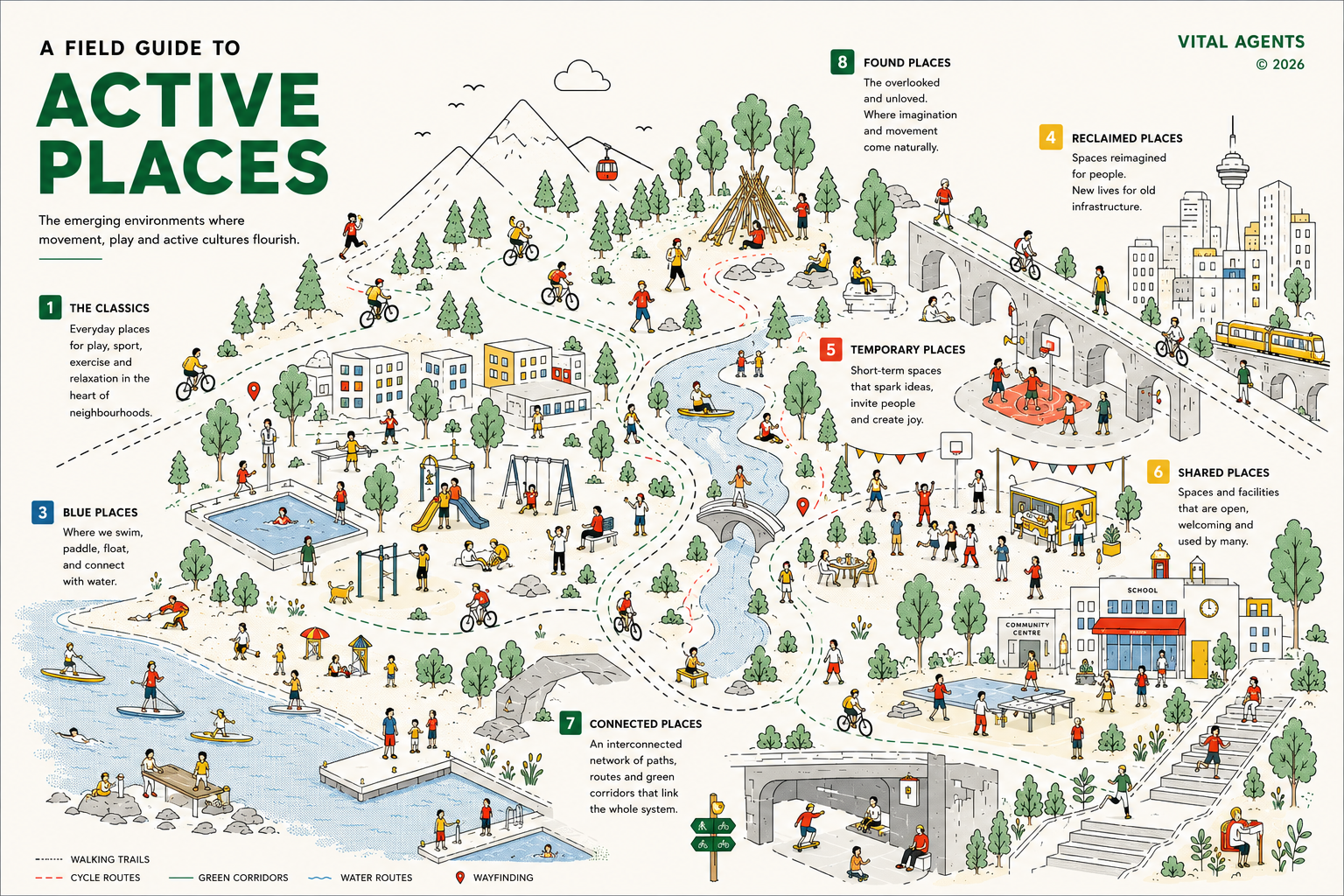
The "Classics”, Reimagined
The everyday backbone of public recreation: pitches, courts, playgrounds and pools
These are the active places everyone recognises: playgrounds, sports fields, leisure centres, swimming pools, outdoor gyms and courts of every kind. They remain the backbone of public recreation, and the places most cities already know how to deliver.
But familiarity can also breed predictability. Too often, these spaces prioritise function over experience, becoming what landscape architect Helen Woolley described as the "Kit, Fence, Carpet" playground: standard equipment, enclosed by fencing and laid over rubber surfacing. Safe and reliable, but rarely memorable.
Increasingly, however, even these classics are being reimagined. Adventure playgrounds, nature play landscapes, parkour parks and multigenerational activity spaces recognise that the design of a place shapes not just whether people are active, but how they feel while they're there. The challenge is no longer simply providing facilities, but creating places people genuinely want to return to.
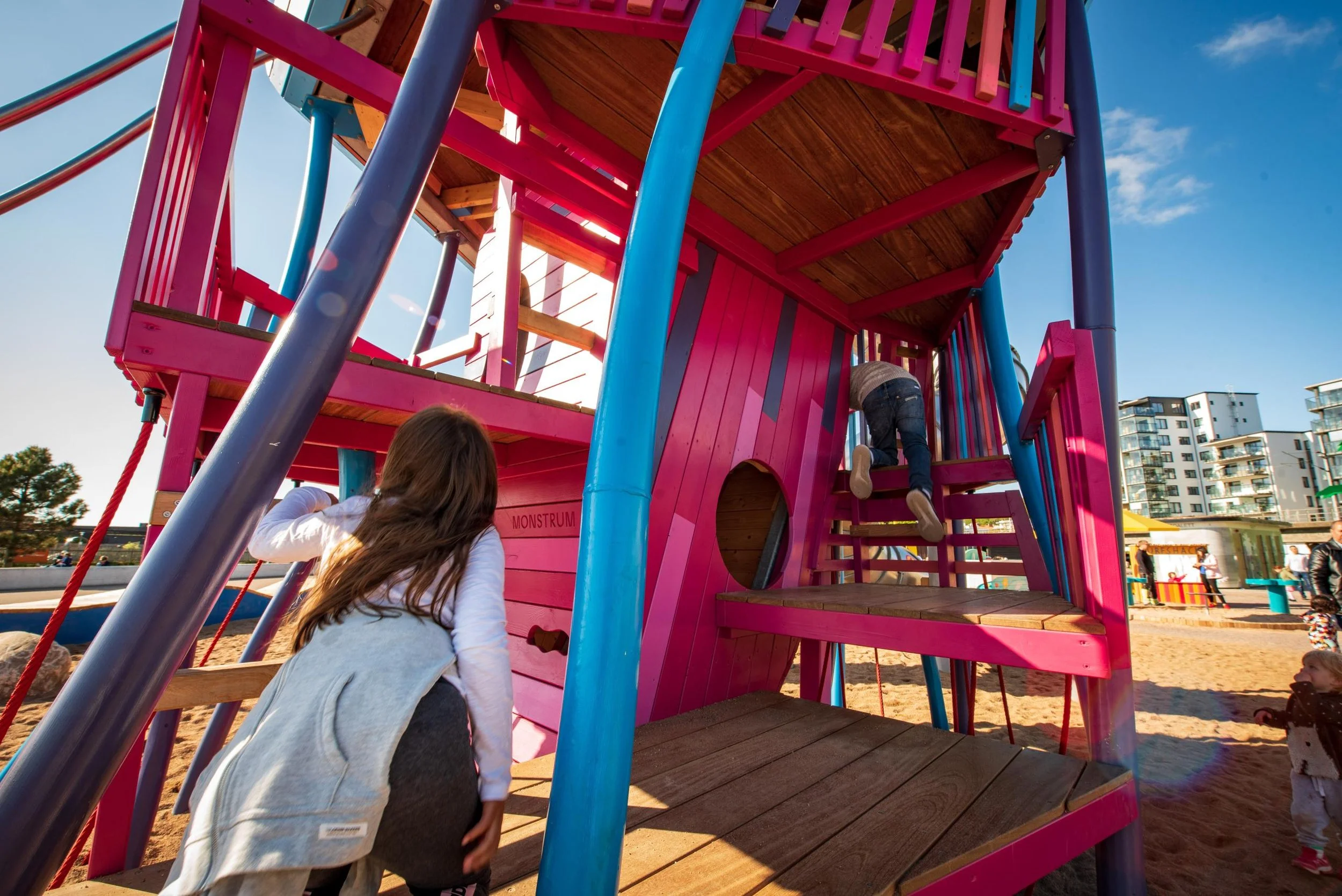
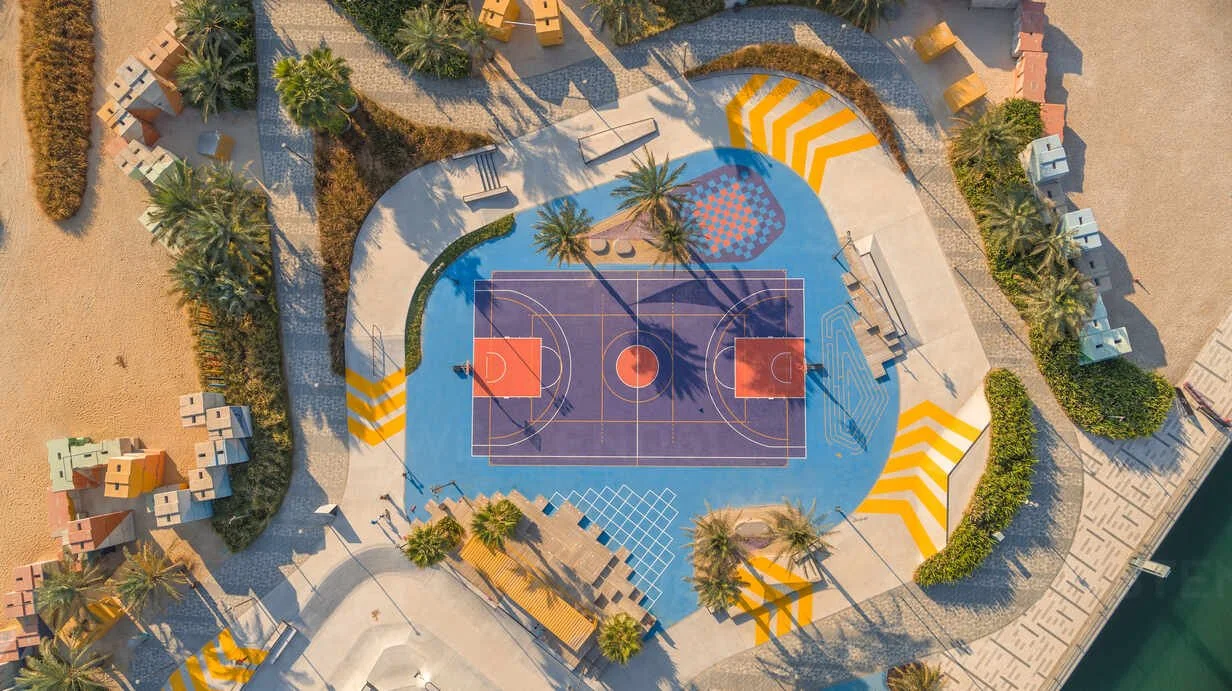
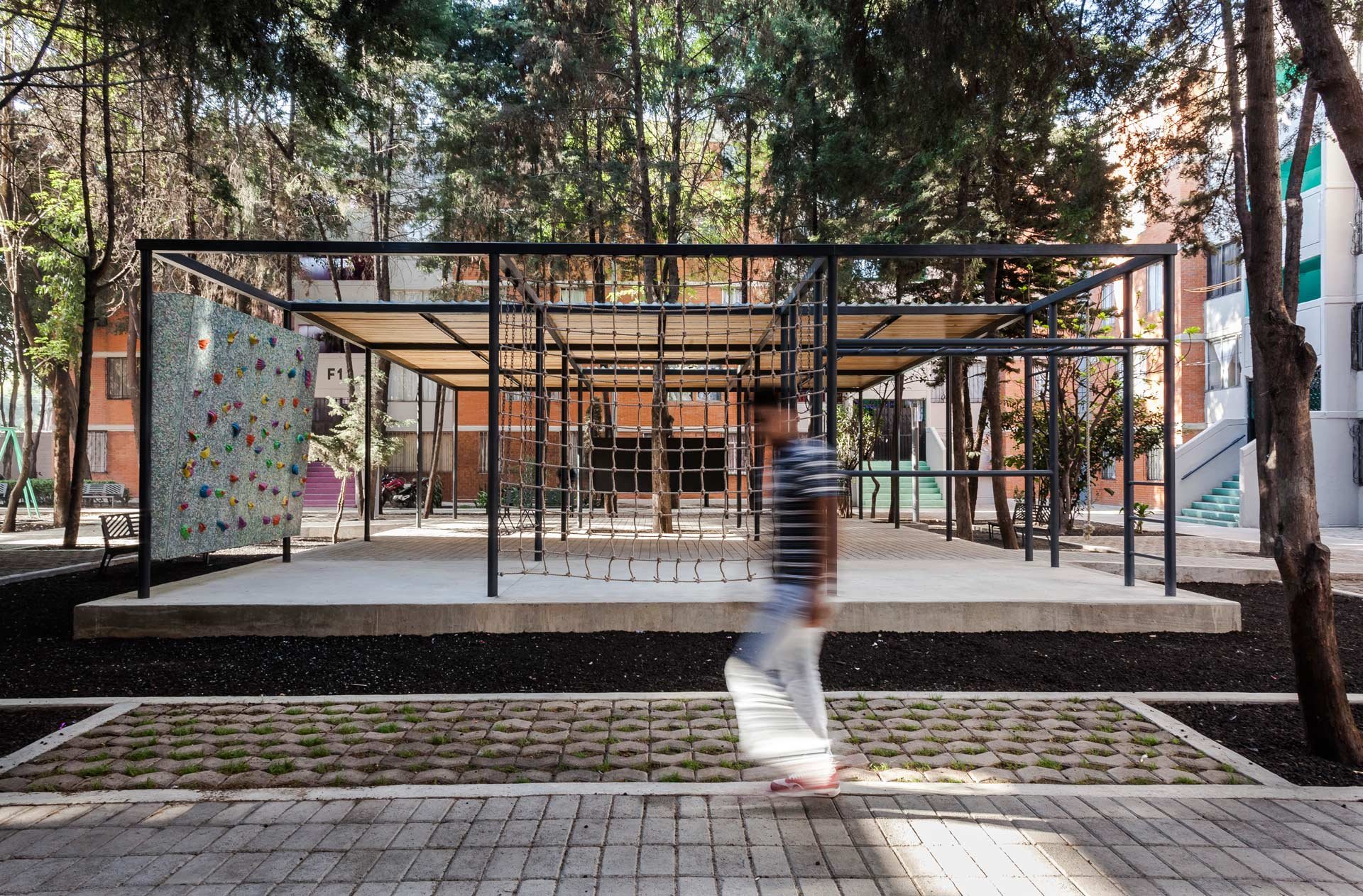
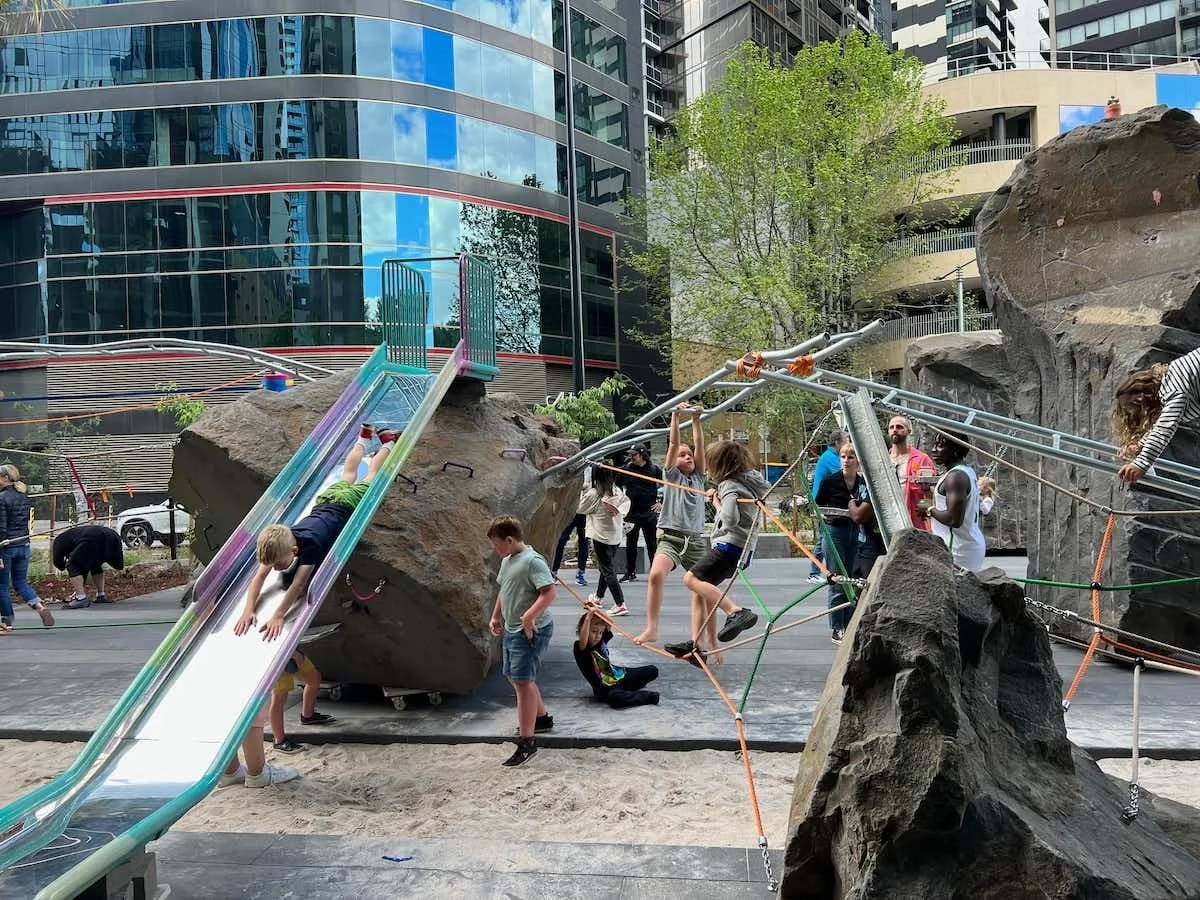
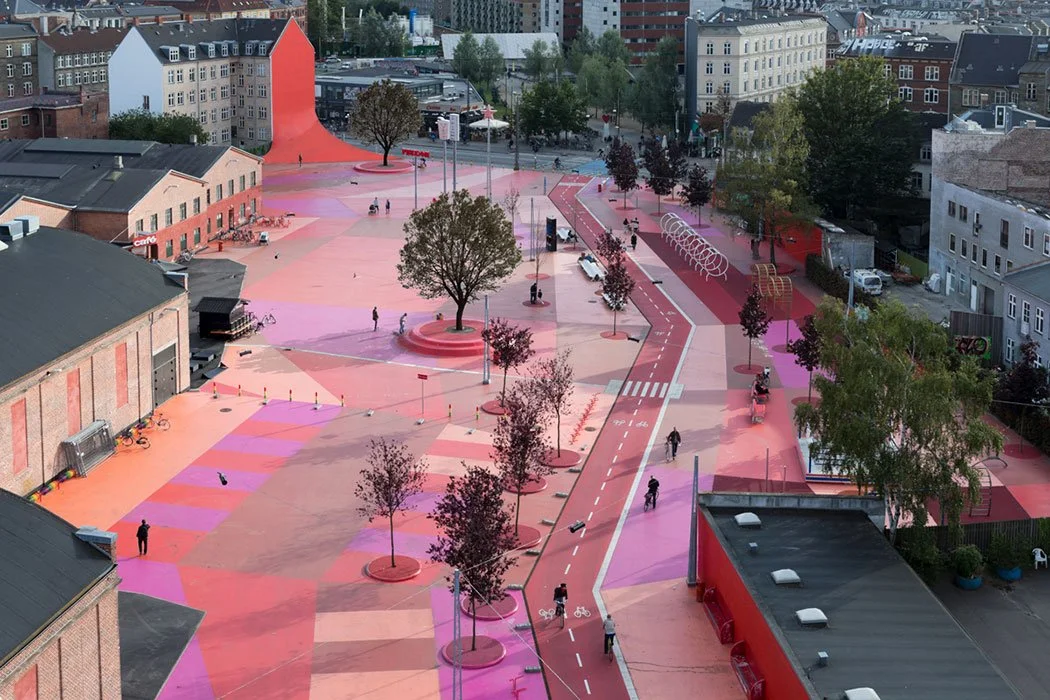
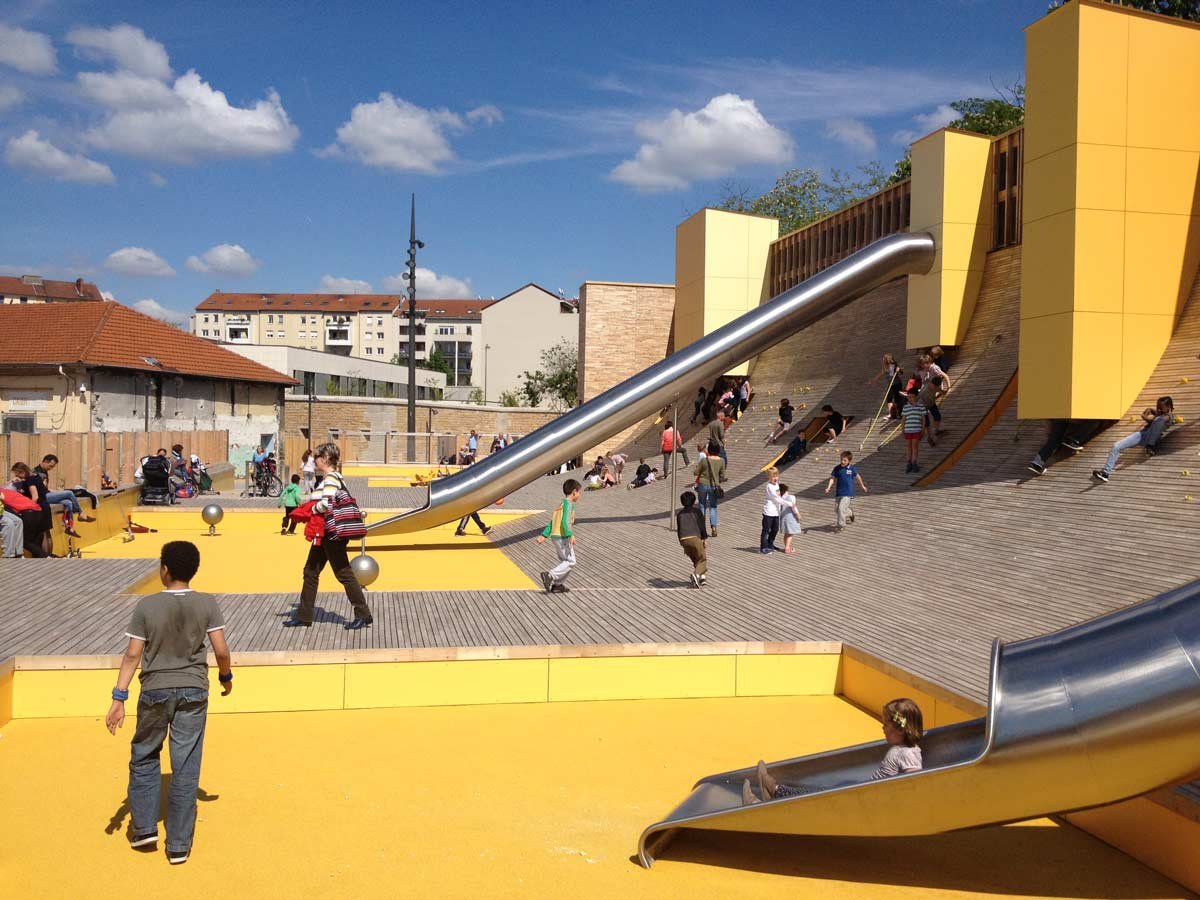
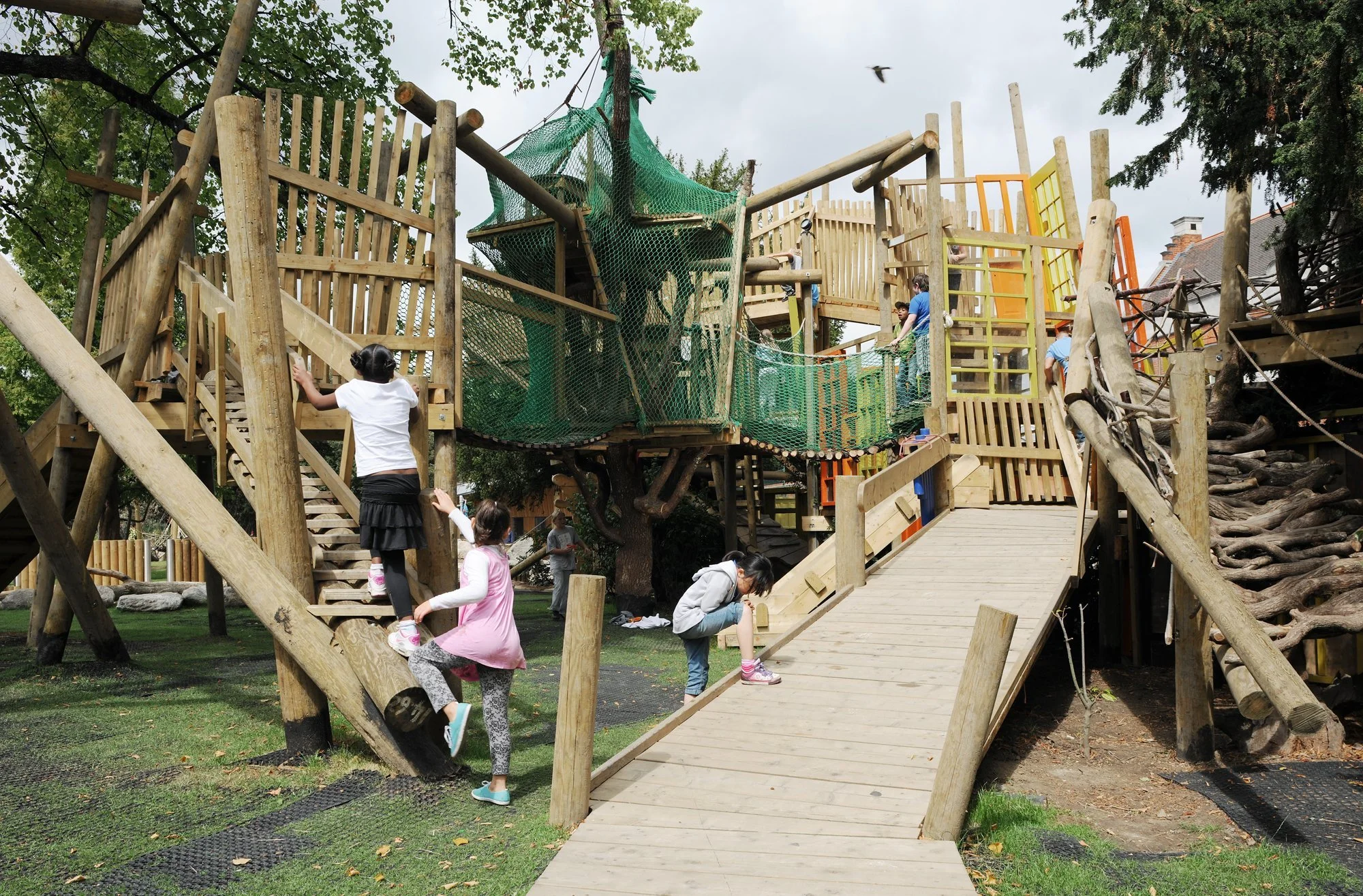
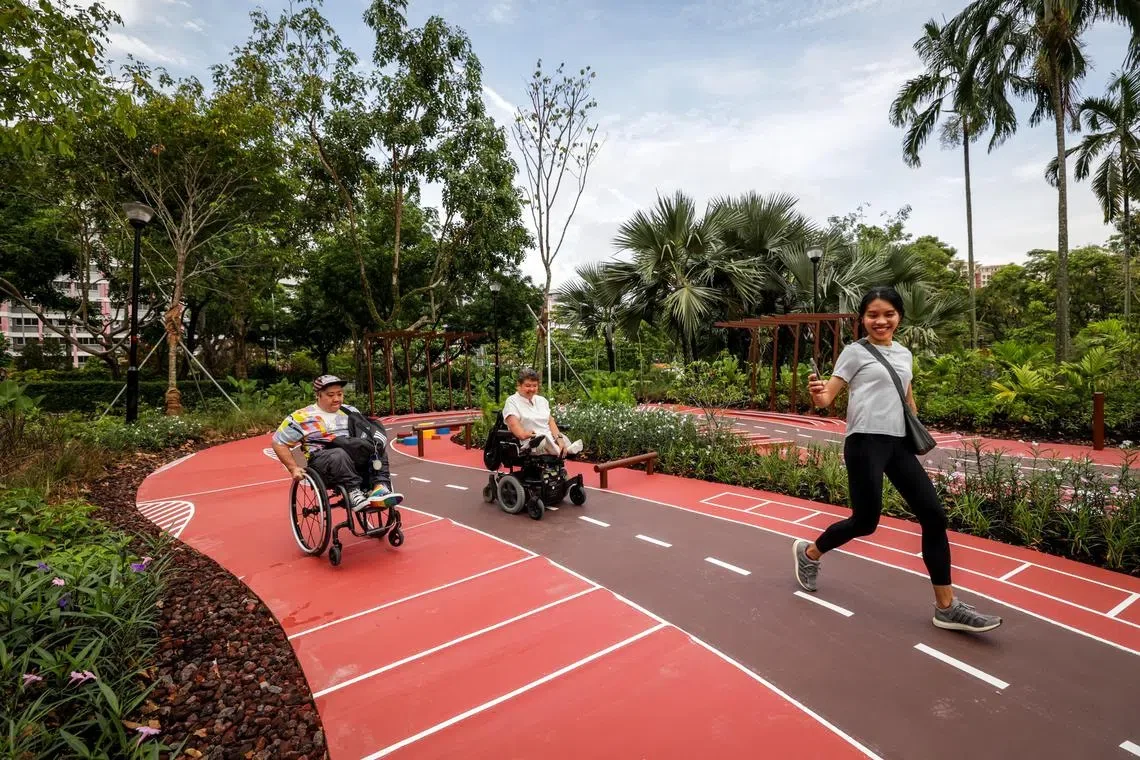
See it done well: Monstrum's playgrounds, Denmark/GLOBAL; The Block, Dubai; Common-Unity, Mexico City; Rocks on Wheels, Melbourne; Vague des Remparts, Lyon; Kilburn Grange Adventure Playground, London; Superkilen, Copenhagen; Marine Cove Playground, Singapore.
Movement Landscapes
Routes through and activities embedded in nature: along water, through forests and parks
Some active places are destinations. Others are journeys.
Greenways, waterfront promenades, recreational cycle routes, forest trails and mountain bike centres invite people to move through landscapes rather than remain in one place. Along the way, places to pause, play, exercise and gather blur the boundary between transport infrastructure, park and recreation space.
These landscapes encourage movement almost by accident. Rather than prescribing exercise, they reward curiosity, exploration and time spent outdoors. Many have evolved into destinations in their own right, supported by passionate volunteer groups, local clubs and digital communities who maintain trails, organise events and welcome newcomers.
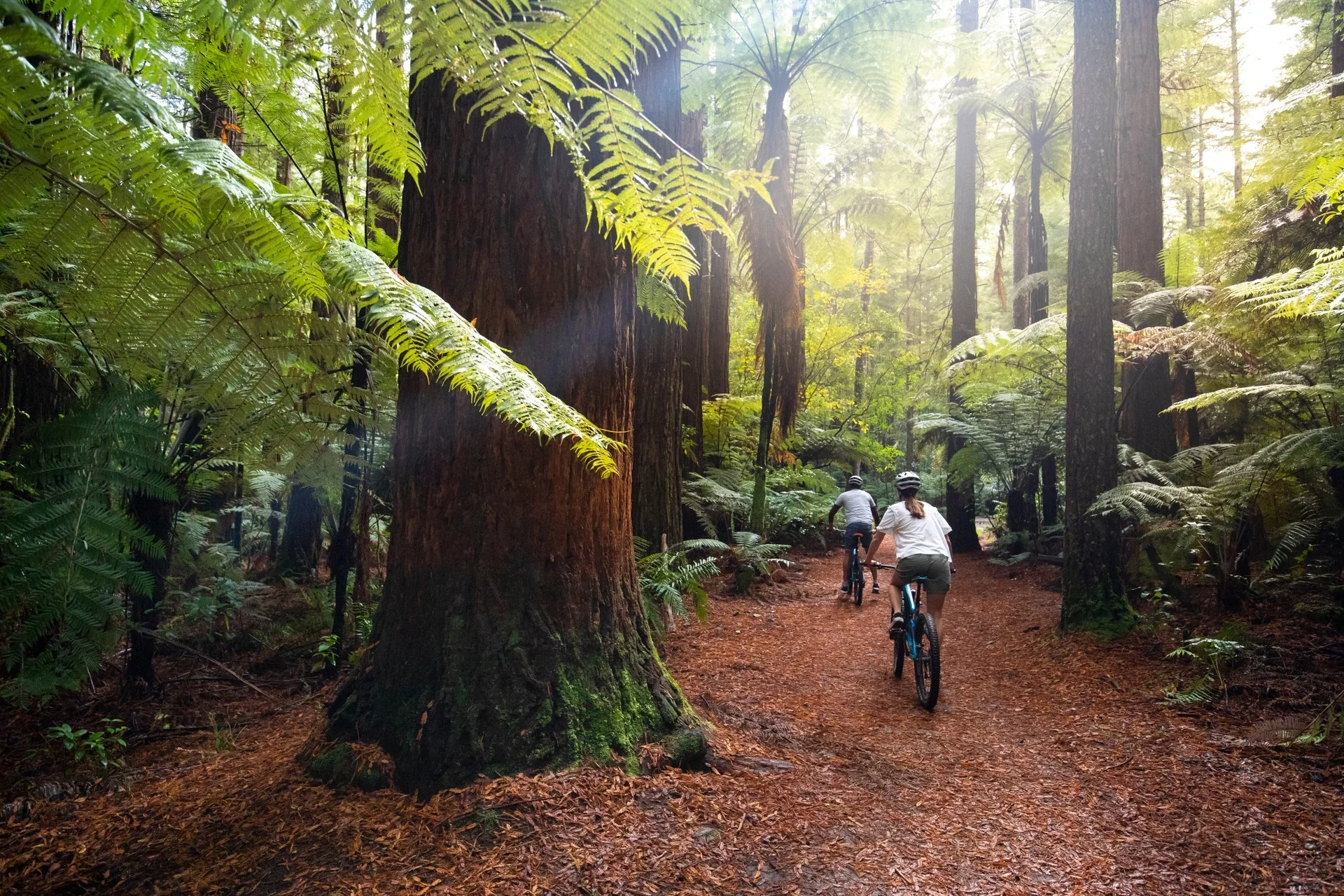
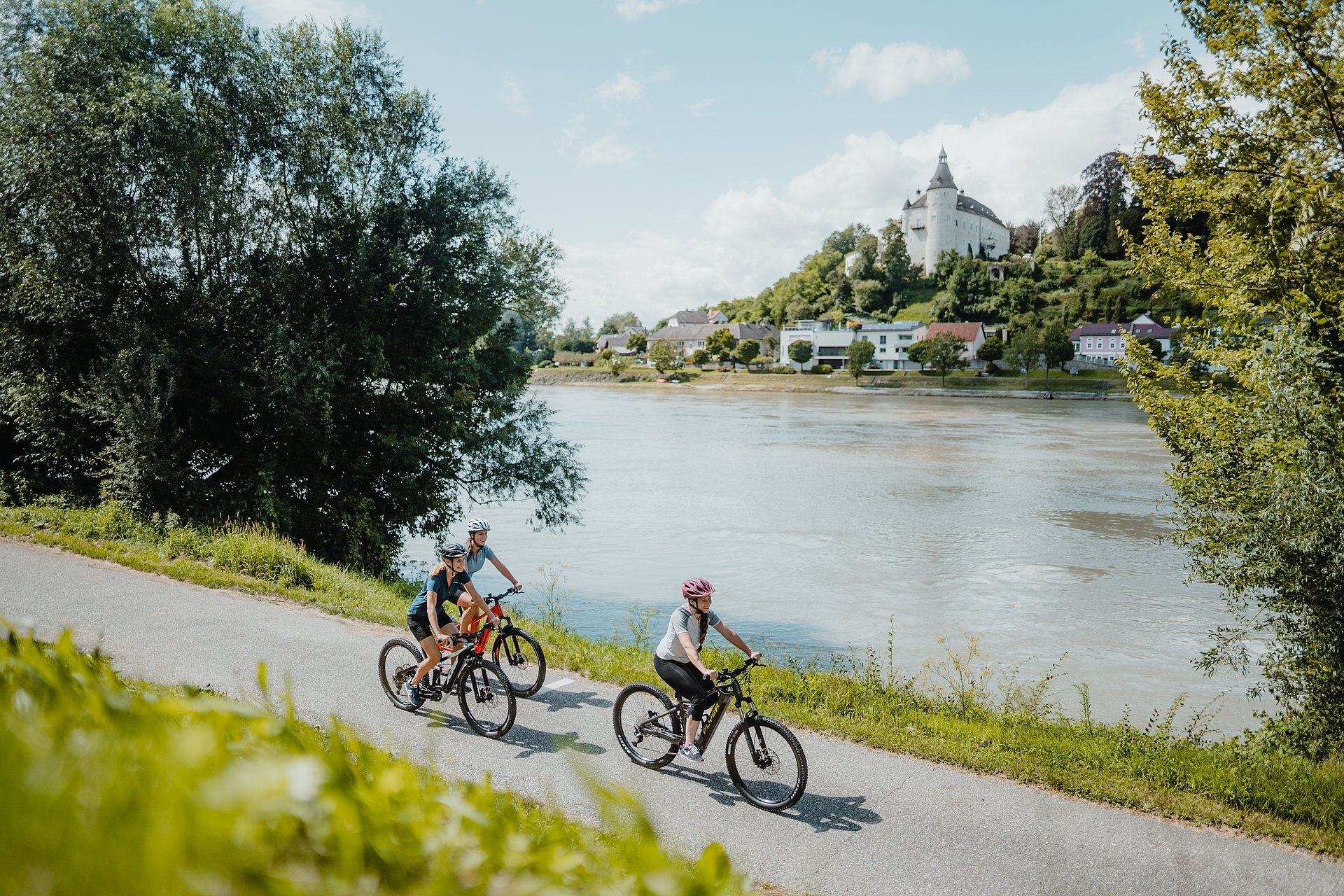
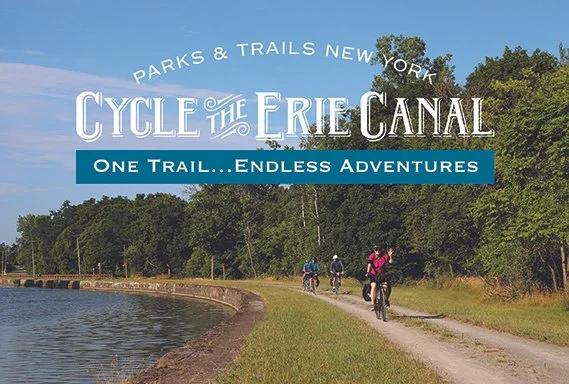
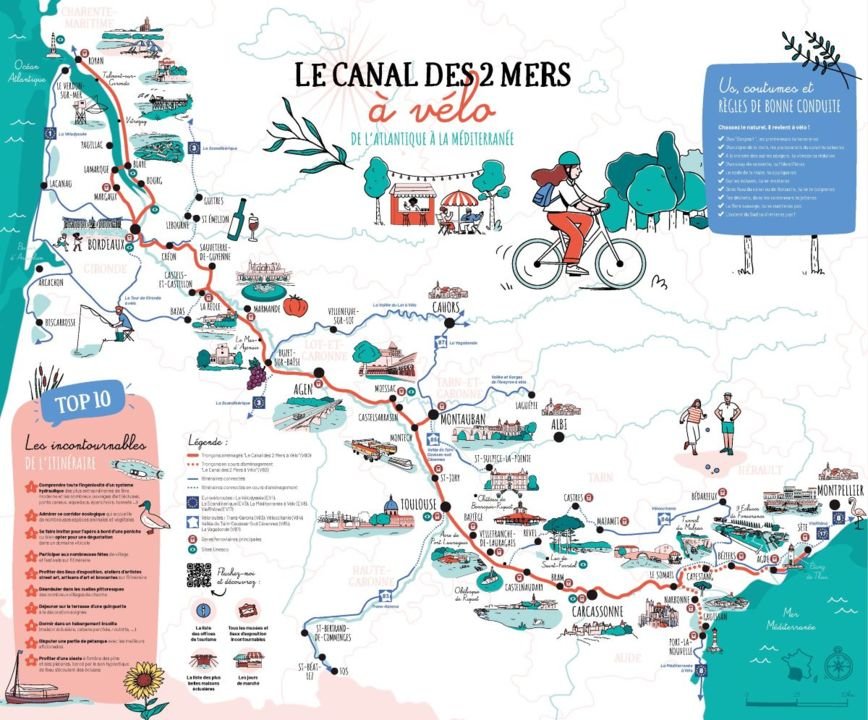
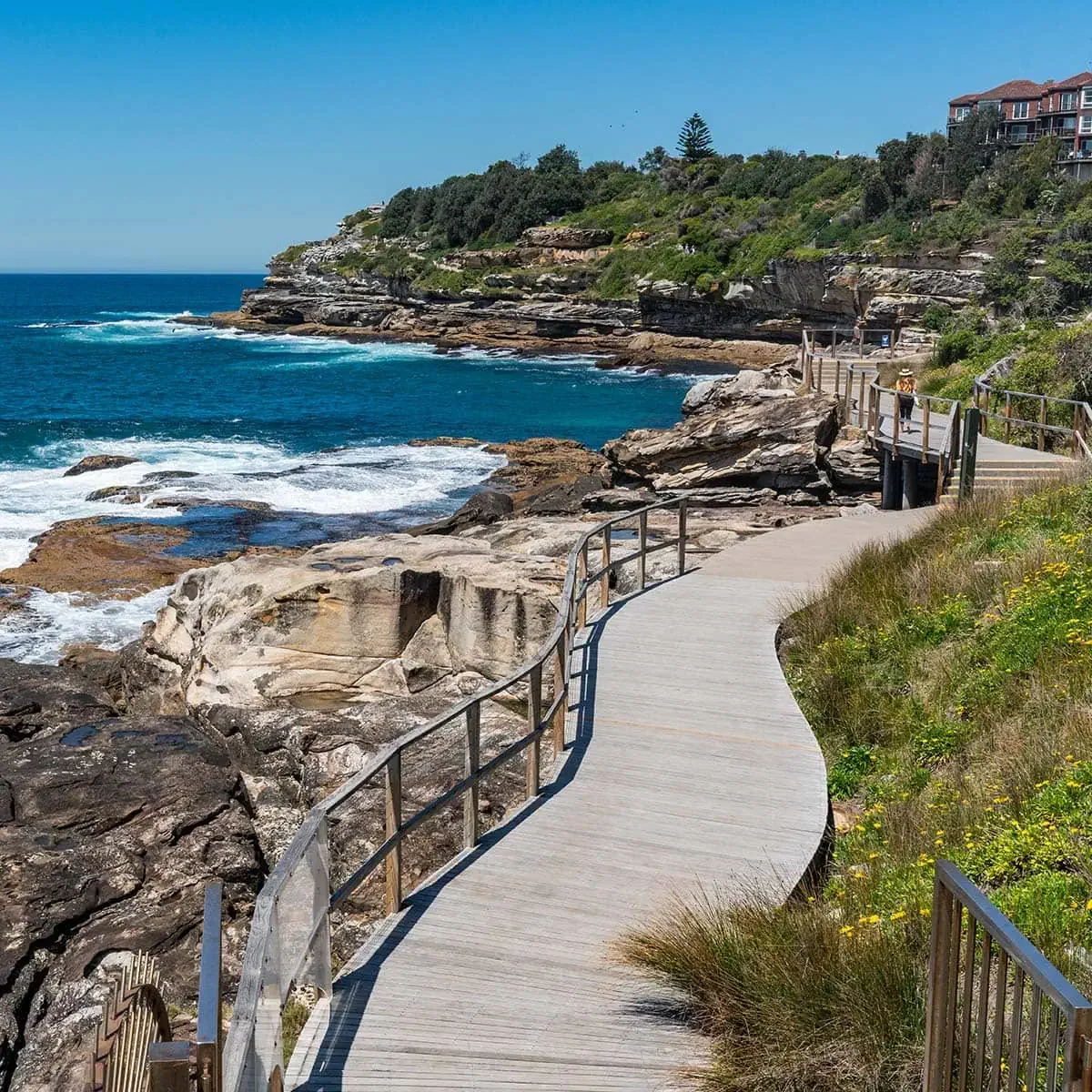
See it done well: Whakarewarewa Forest, Rotorua; the Danube Cycle Path, Germany/Austria; the Erie Canalway Trail, USA; the Canal du Midi, France; the Bondi to Coogee Coastal Walk, Sydney.Blue Places
Swimming, wading and playing with water: rivers, lakes, harbours and the sea
Water has always invited movement, but cities are becoming far more intentional about designing for it. Urban beaches, harbour baths, river swimming areas, ocean pools, splash pads, canoe launches and lakeside recreation all expand our understanding of what public activity infrastructure can be.
Nature provides much of the attraction, but thoughtful design often determines whether people feel invited to use it. A ladder into the water, safe access, lifeguards, changing facilities or clean water can transform a shoreline from something people admire into somewhere they actively inhabit.
Perhaps more than any other category, blue places remind us that active design isn't always about building more. Sometimes it's about removing barriers between people and the landscapes already around them.
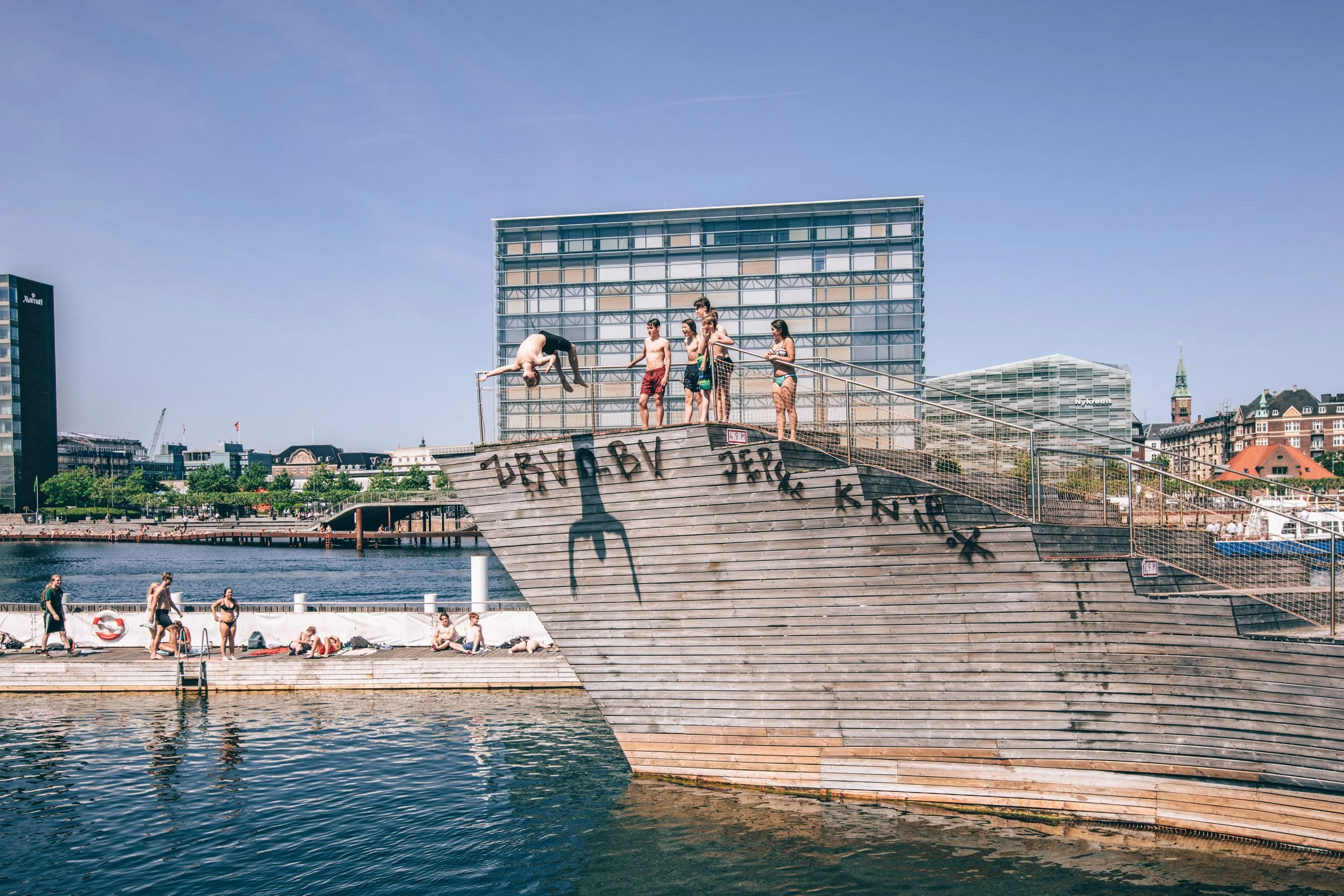
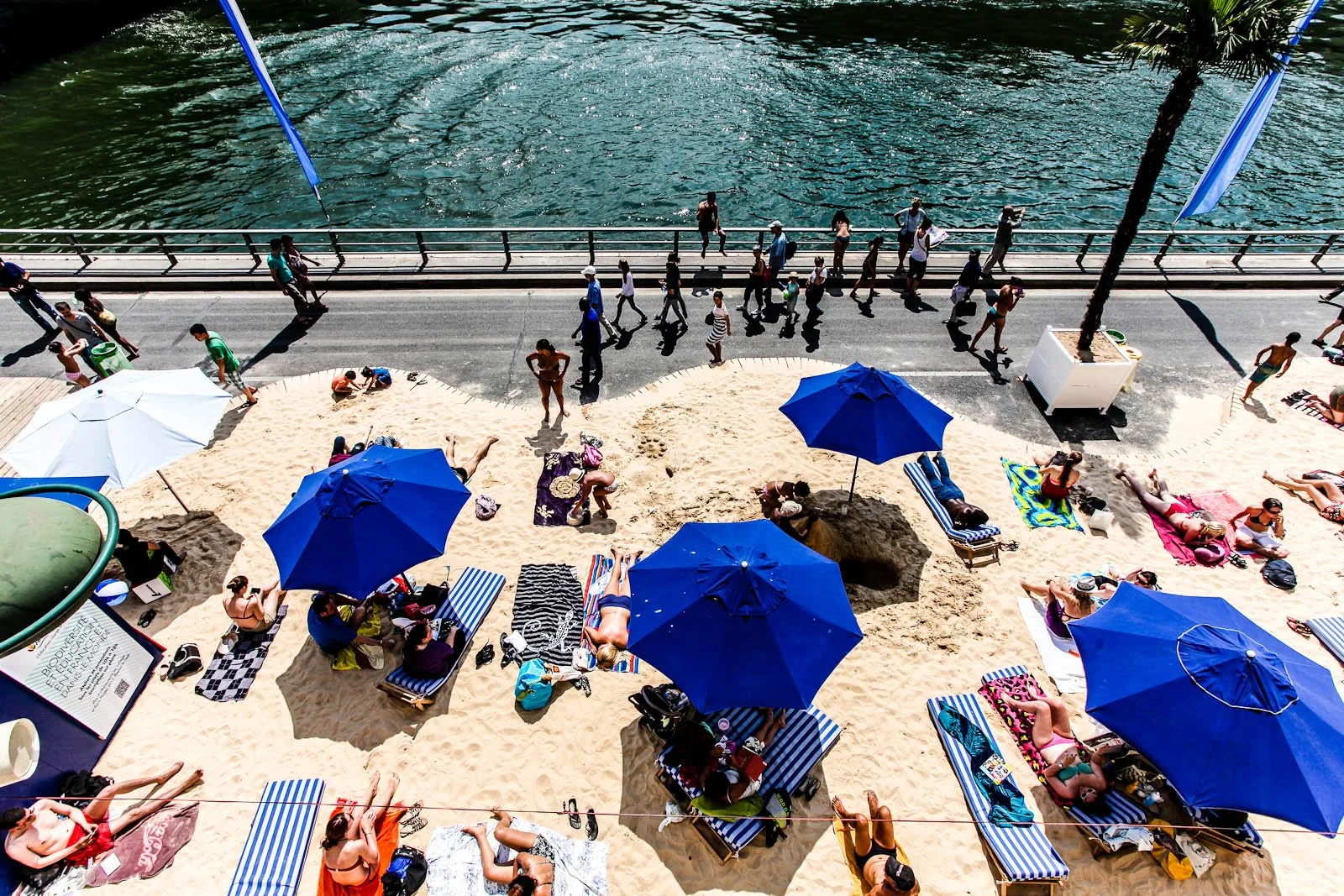
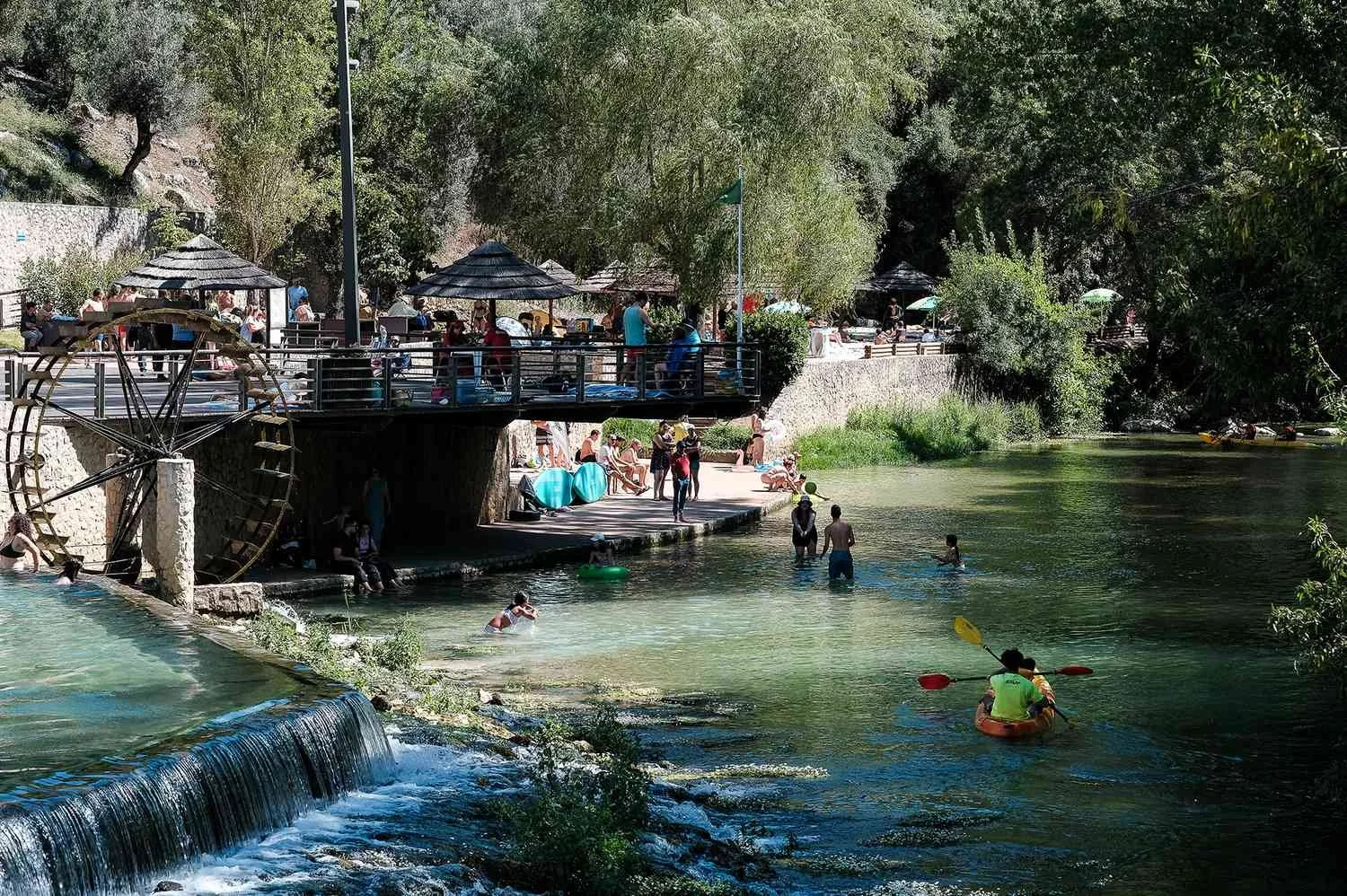
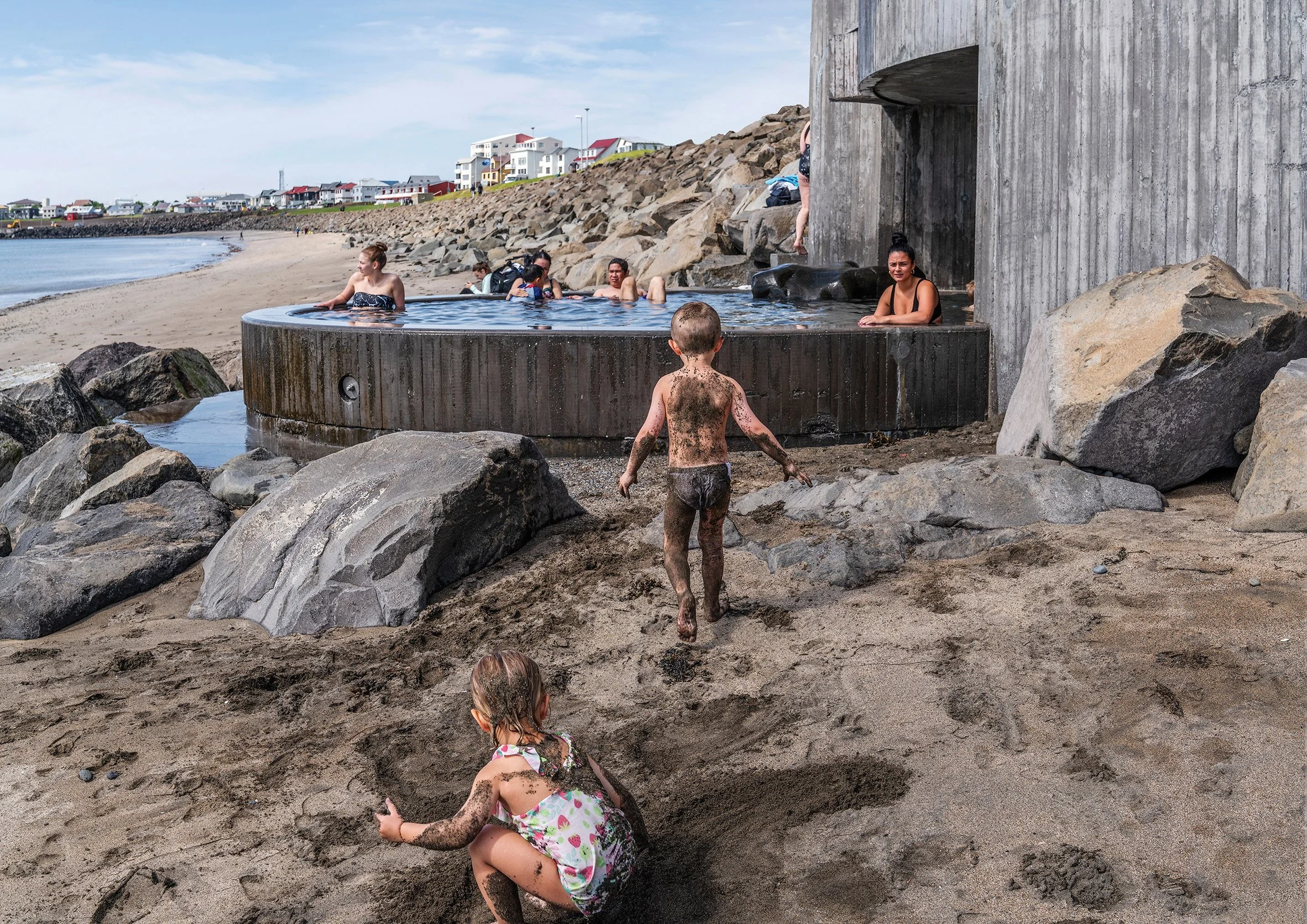
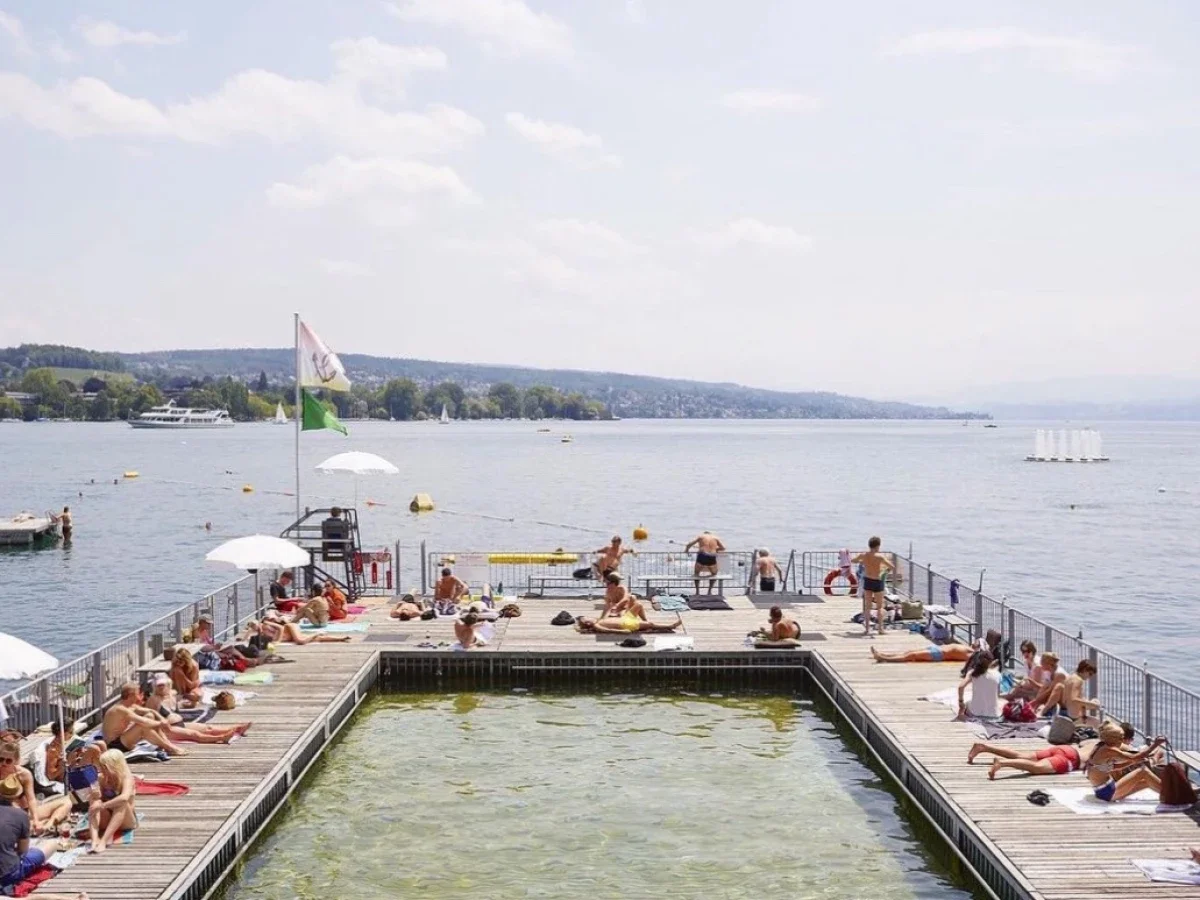
See it done well: the Harbour Baths, Copenhagen (BIG + JDS Architects); Paris Plages, Paris; river beaches (praia fluvial), Portugal; the Guðlaug Baths, Akranes, Iceland (Basalt Architects); Seebad Enge, Lake Zurich, Switzerland.Reclaimed Places
New life for old infrastructure: bridges, railways, rooftops and forgotten streets
Some of the most inspiring active places begin with a simple question: what already exists?
These places are defined not by what they were built for, but by what they could become. A disused railway becomes a greenway. A bridge undercroft becomes a basketball court. A rooftop becomes a playground. A traffic-dominated street becomes somewhere to walk, cycle and play.
Rather than defaulting to building new recreation facilities, reclaimed places reveal the untapped potential of the city itself. They show that tomorrow's active infrastructure may not require more land or bigger budgets—only a willingness to see familiar spaces differently.
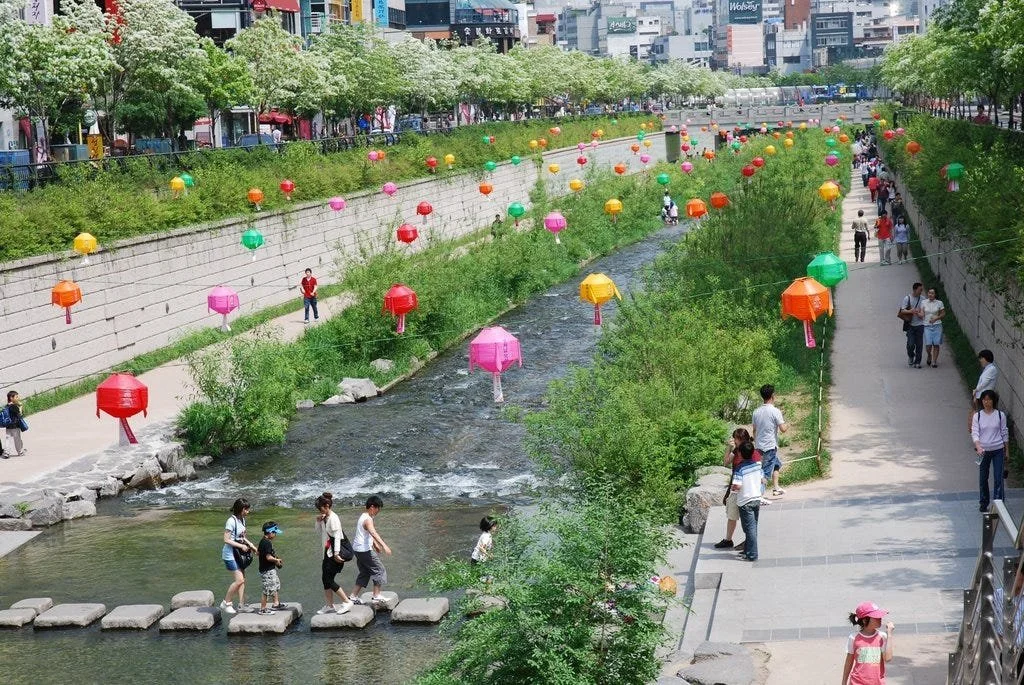
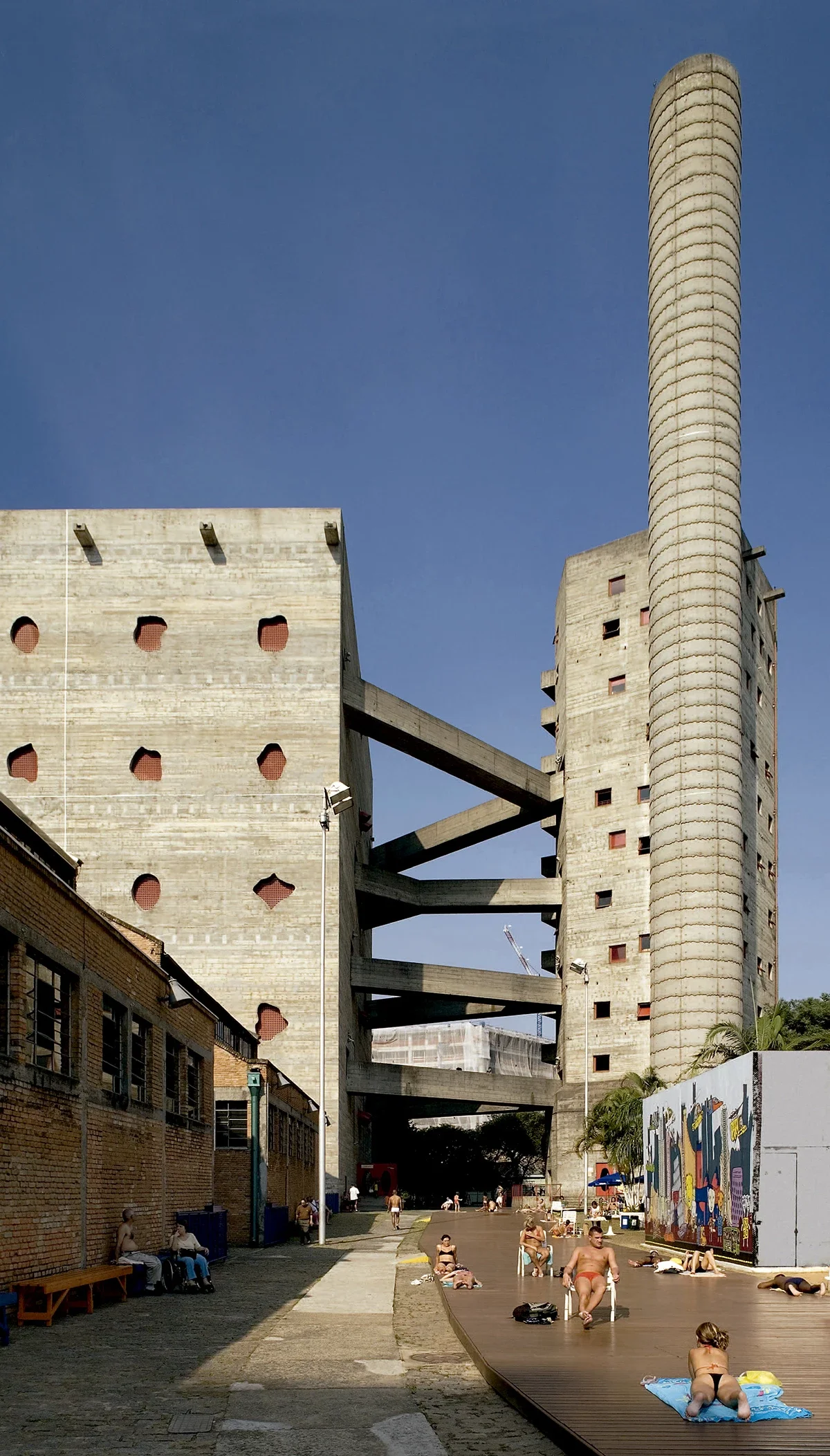

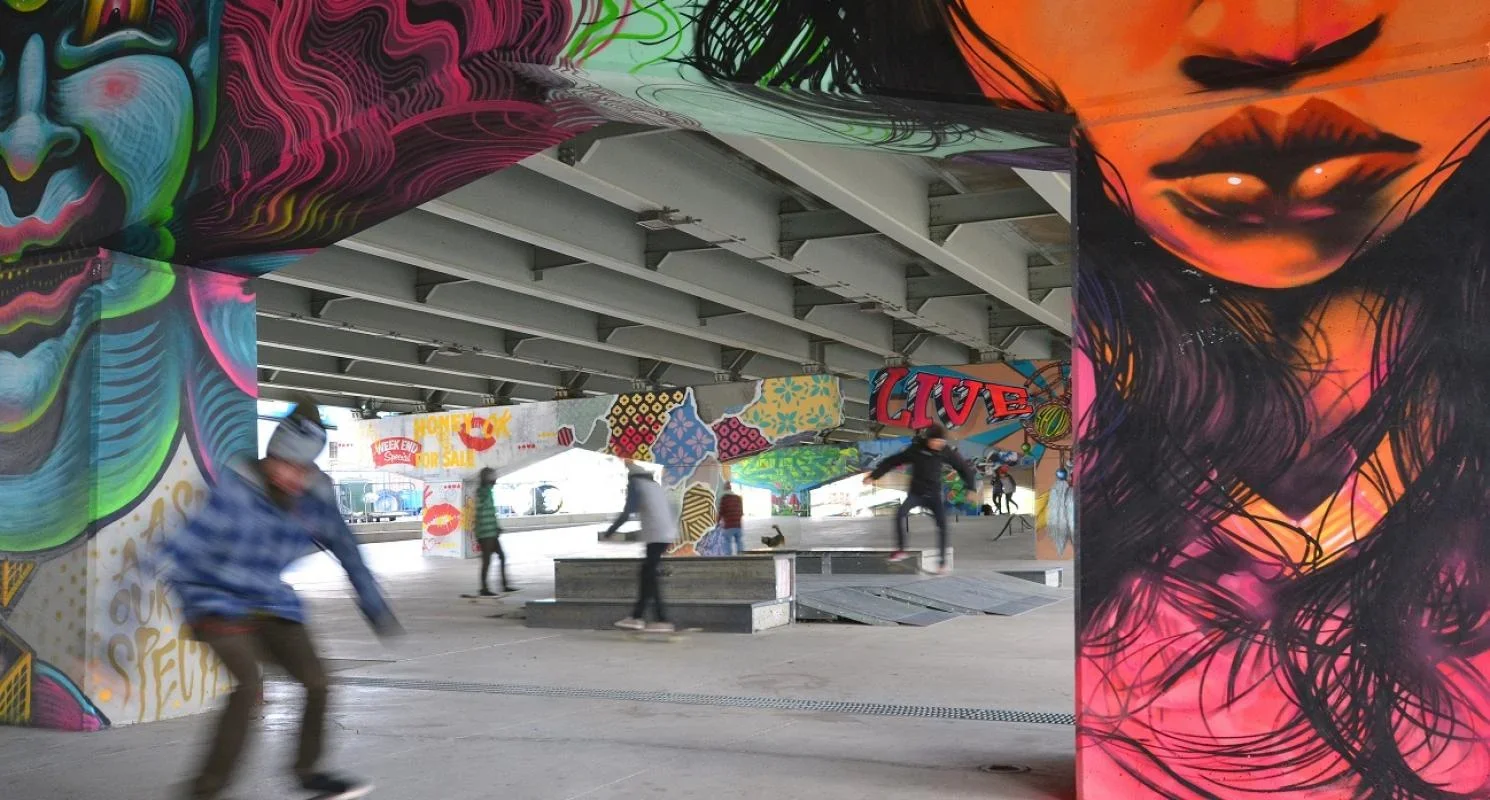
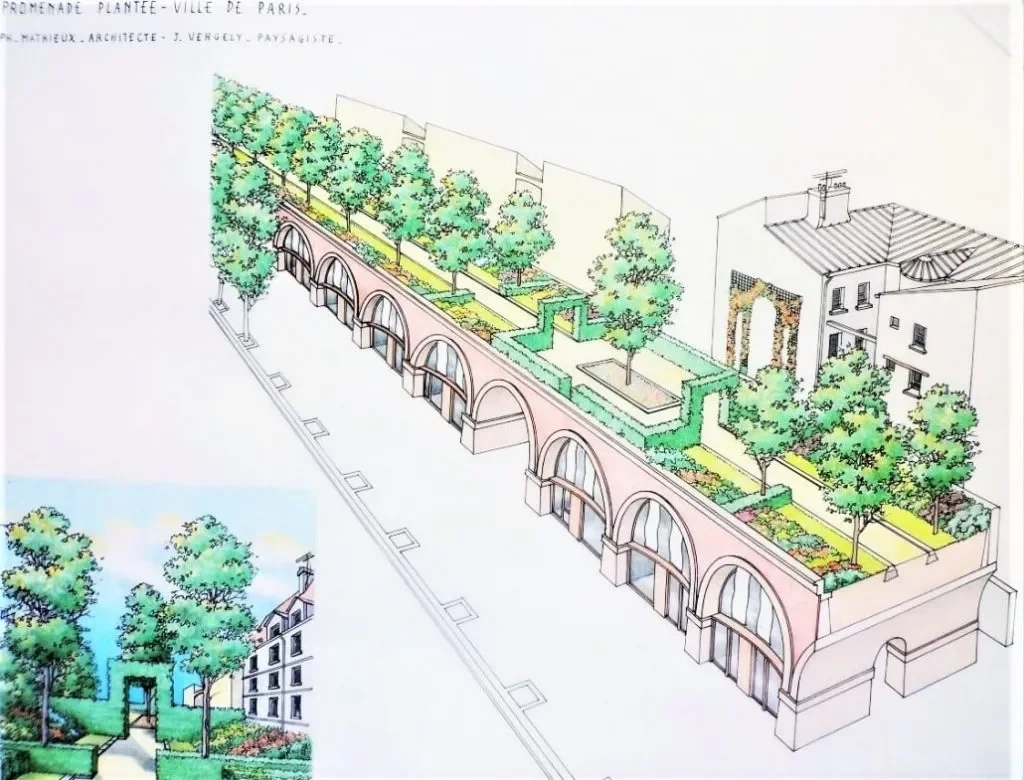

See it done well: Cheonggyecheon Stream, Seoul; SESC Pompéia, São Paulo (Lina Bo Bardi); the High Line, New York; Underpass Park, Toronto (PFS Studio with The Planning Partnership); the Promenade Plantée (Coulée Verte René-Dumont), Paris; the Bristol and Bath Railway Path, England.Temporary Places
Activity that doesn't wait for permission: streets, lots and squares, transformed for a day or a season
Not every active place needs to be permanent. Some of the most successful places for movement begin as experiments: a street closed for children to play, a car park transformed into a basketball court, a vacant lot activated with pop-up sports, or a square reimagined for a season of events and activity.
Temporary places challenge the assumption that creating active environments requires years of planning, major investment and permanent construction. They allow cities and communities to test ideas quickly, learn what people respond to, and adapt spaces around real behaviours rather than predicted ones.
But their value goes beyond experimentation. Temporary interventions can create moments of discovery, bringing new groups into public space and revealing possibilities that were previously invisible. A single play street can become a neighbourhood ritual. A pop-up court can build a community. A seasonal transformation can change how people imagine a place forever.
Sometimes the quickest way to discover what a place could become is simply to let people start using it differently.
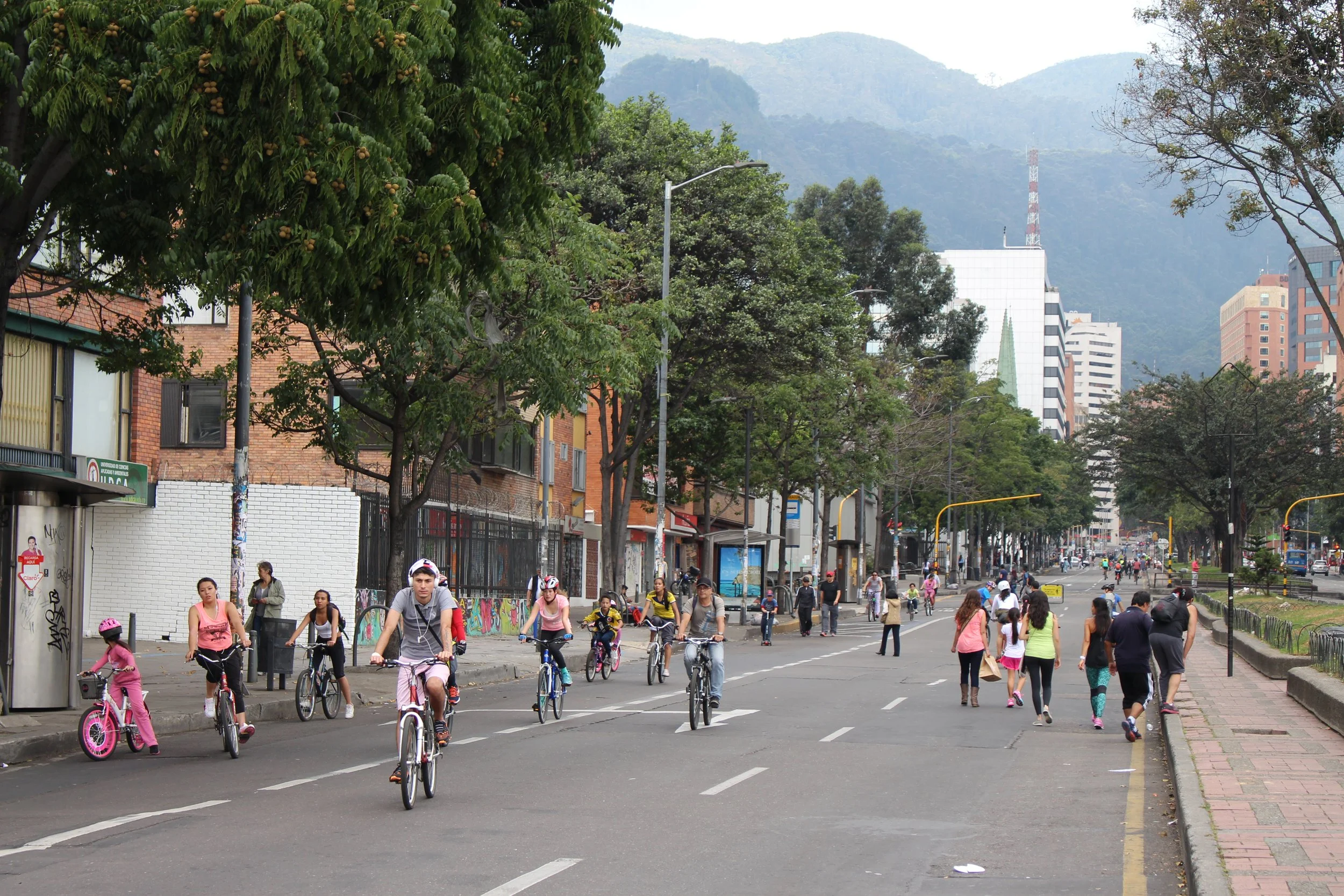
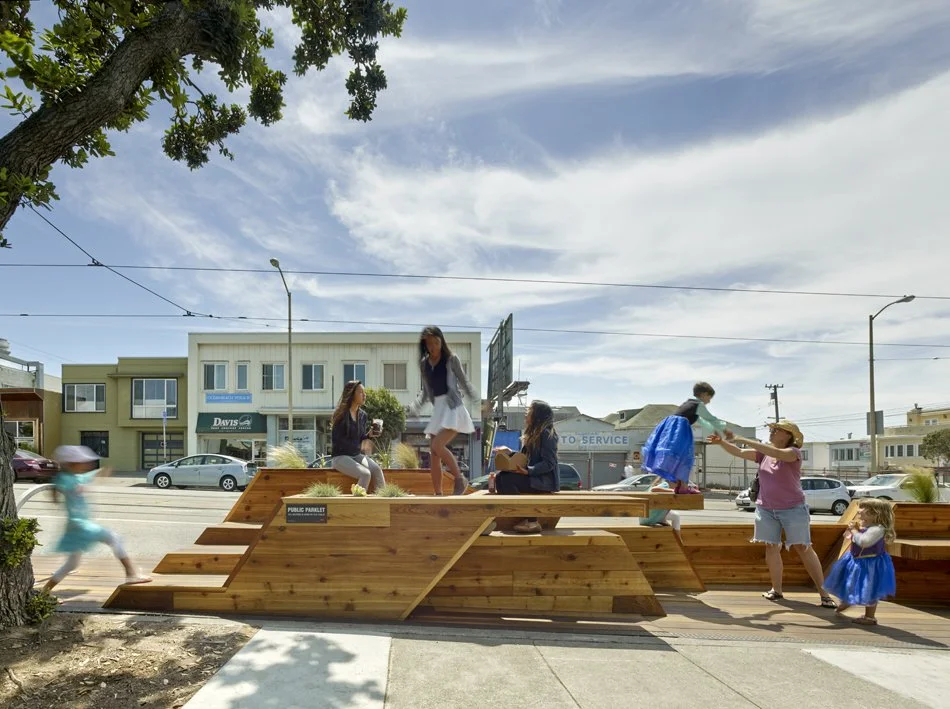
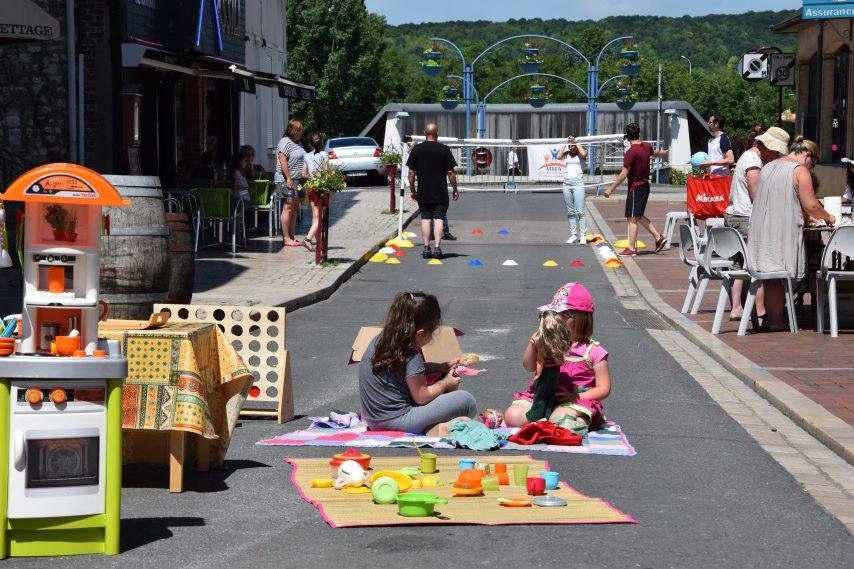
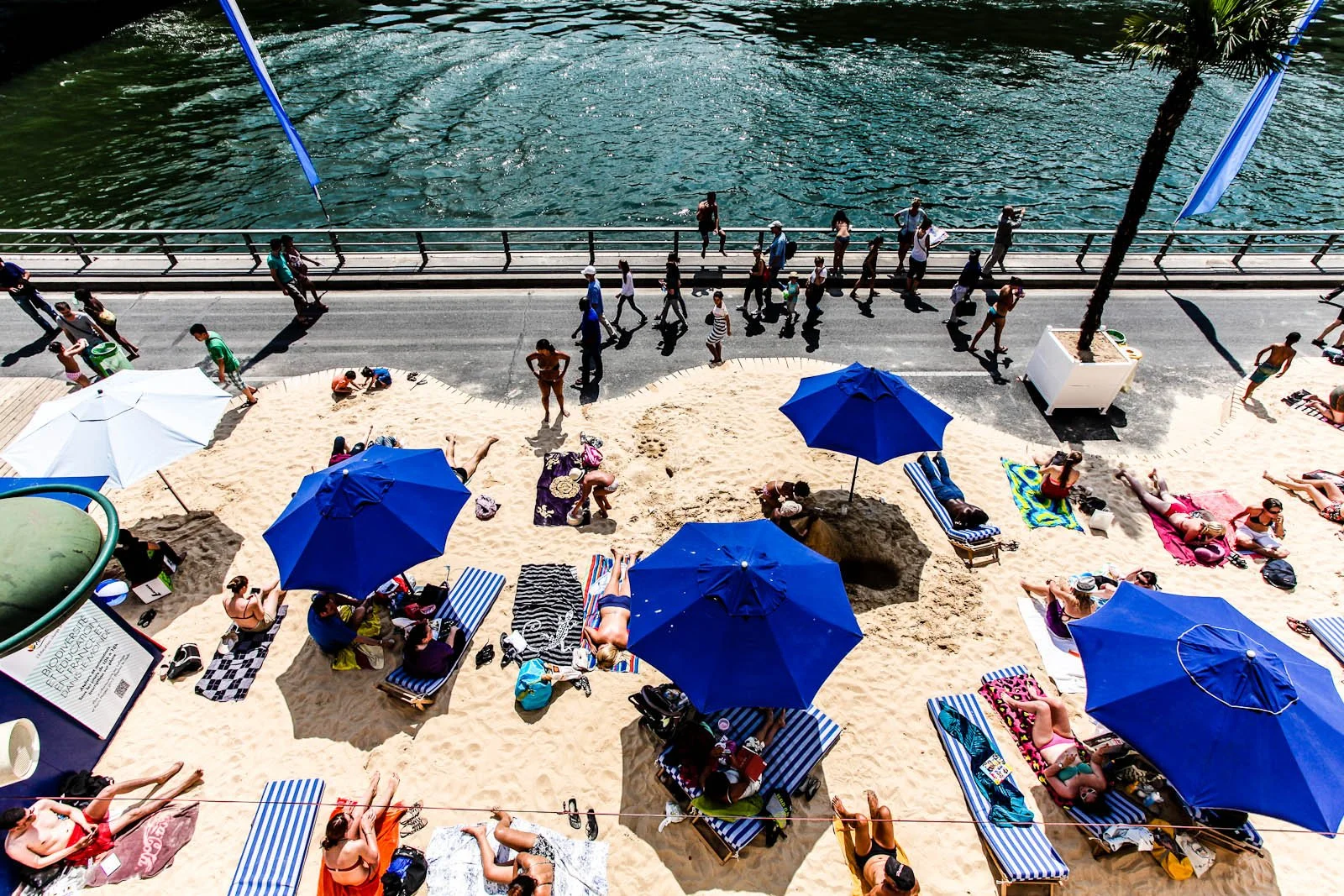
See it done well: Ciclovía, Bogotá; the Parklet Program, San Francisco; Rue aux Enfants, Paris; Paris Plages, Paris.Shared, Mixed-use Places
One place, many lives: spaces that change purpose through the day or season
Some of the best active places are not new at all, they simply work harder.
School playgrounds open after hours. University sports facilities become community assets. Civic squares host dance, skating or table tennis. Flood-detention parks become playing fields in dry weather.
These places demonstrate that activity doesn't always require dedicated infrastructure. By sharing space across different users and times of day, they make better use of public assets while bringing activity into places people already know and use.
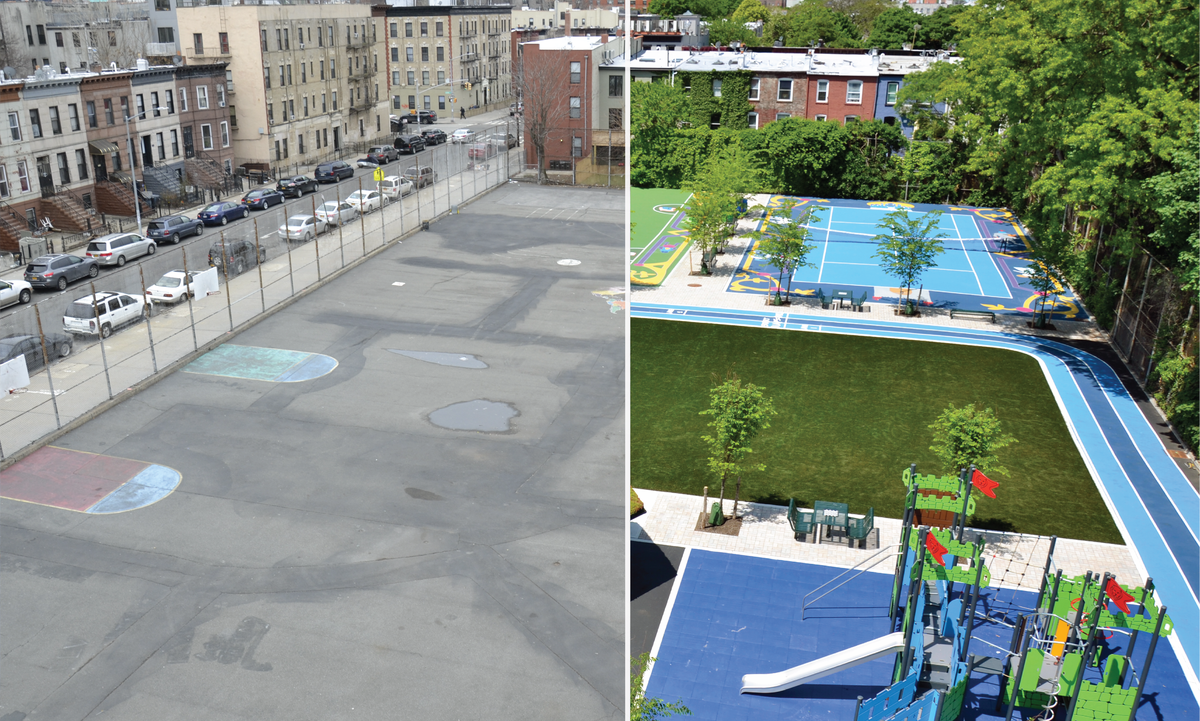
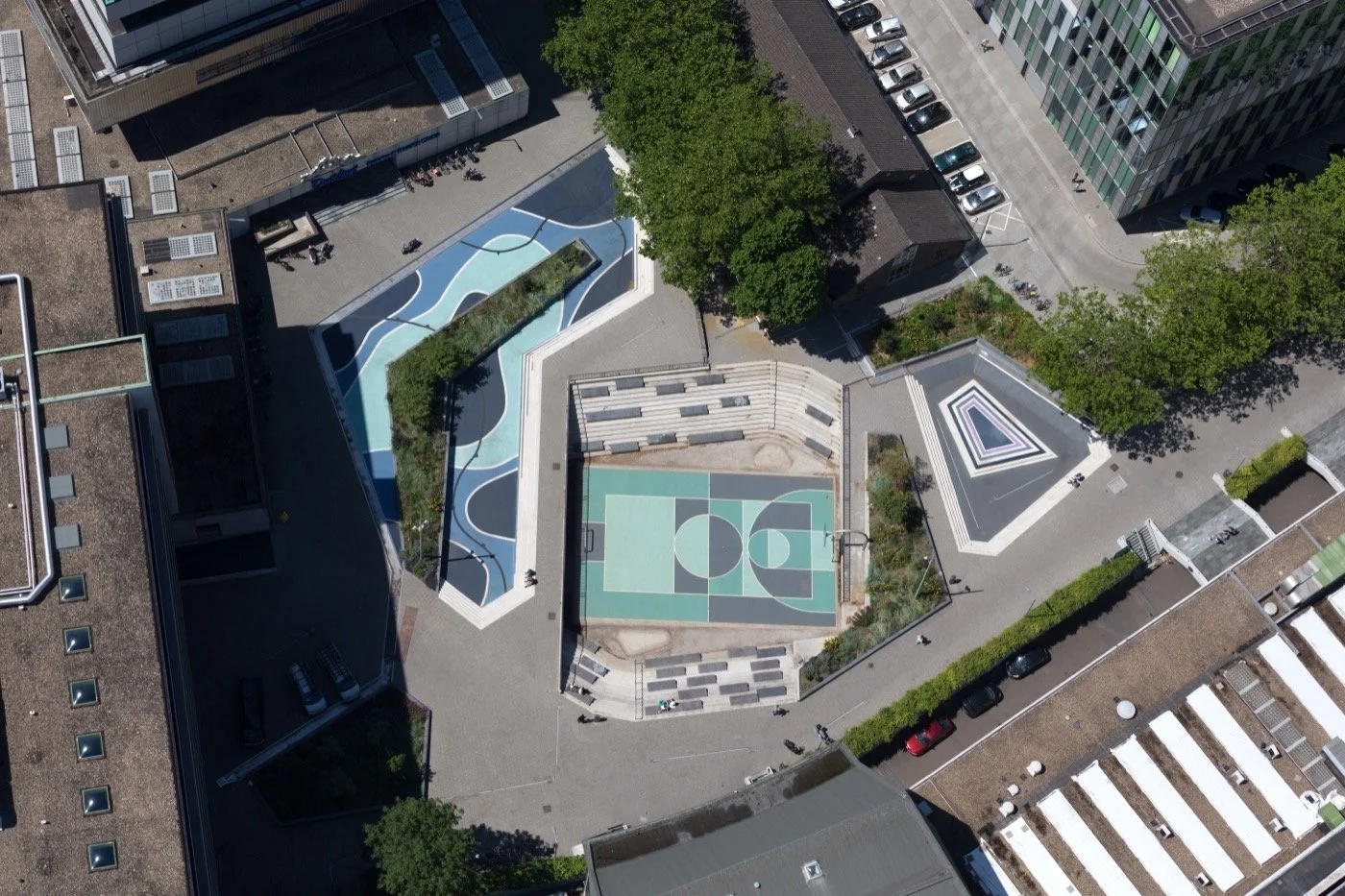
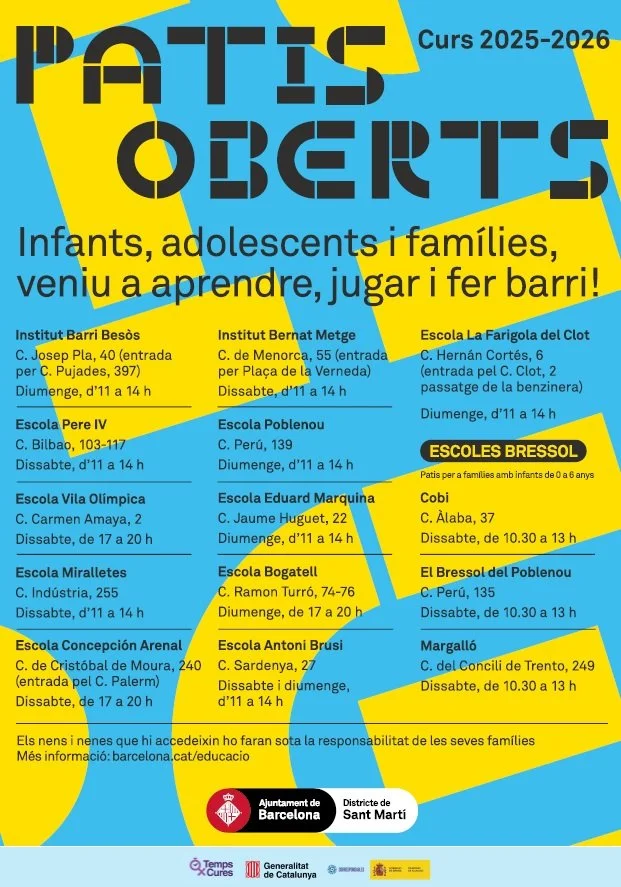
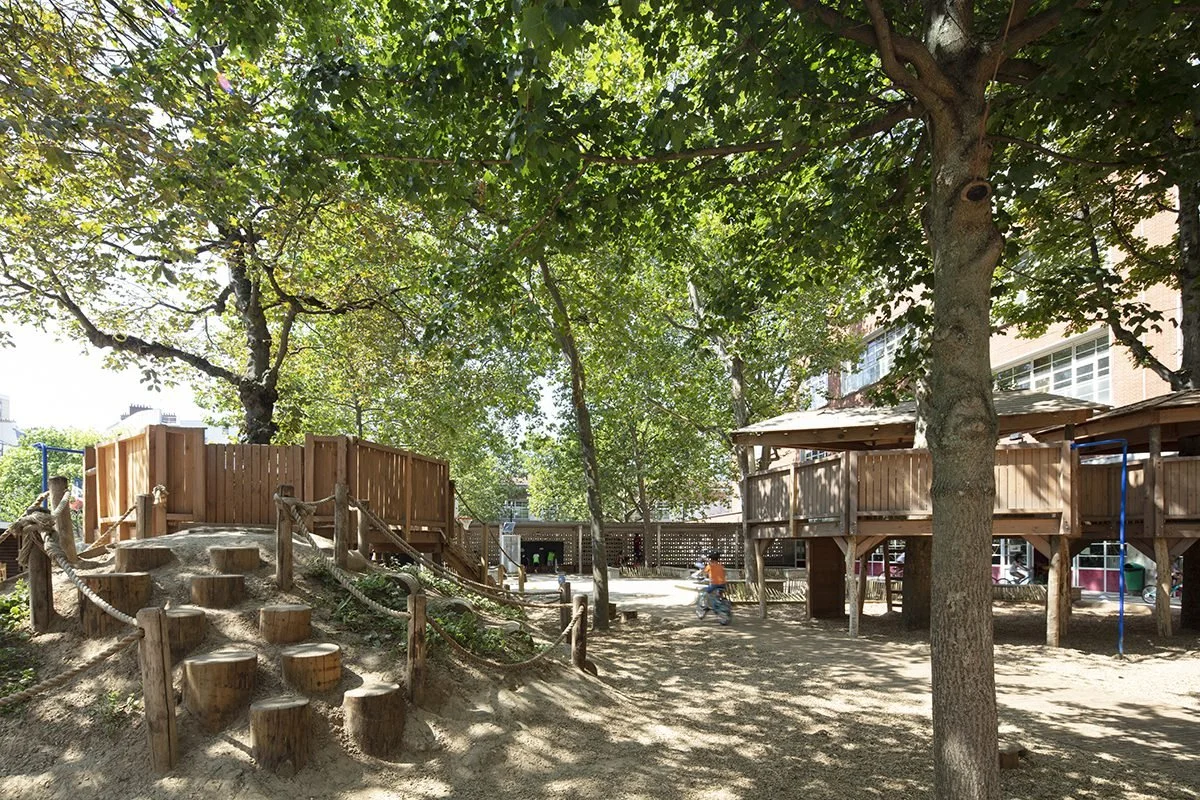
See it done well: the Schoolyards to Playgrounds programme, New York; Waterplein Benthemplein, Rotterdam; Patis Oberts, Barcelona; the OASIS programme, Paris.
Connected Places and Systems
Movement that stitches a city or region together: trails, connectors and cycle networks
Some active places only make sense when viewed as part of a larger system.
Park connector networks, long-distance cycling routes, linked playgrounds and signed fitness trails connect individual places into continuous experiences that stretch across neighbourhoods, cities and even countries. Here, the destination is not a single place but the network itself.
Thinking in networks changes the role of Active Design. Instead of asking whether an individual place succeeds, it asks whether the whole system makes movement easier, more enjoyable and more connected.
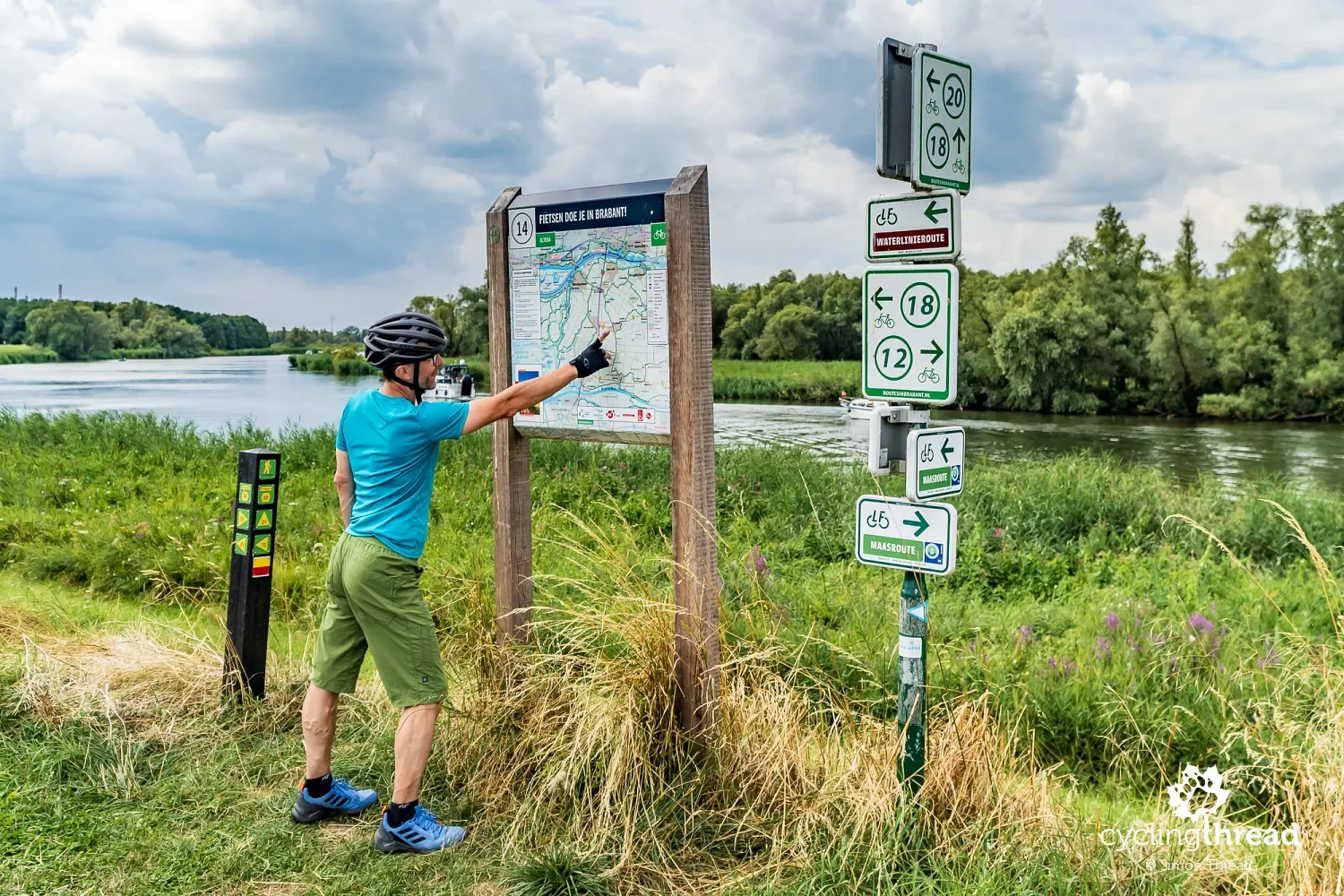
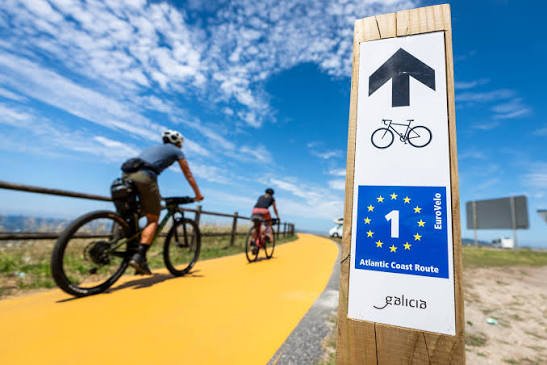

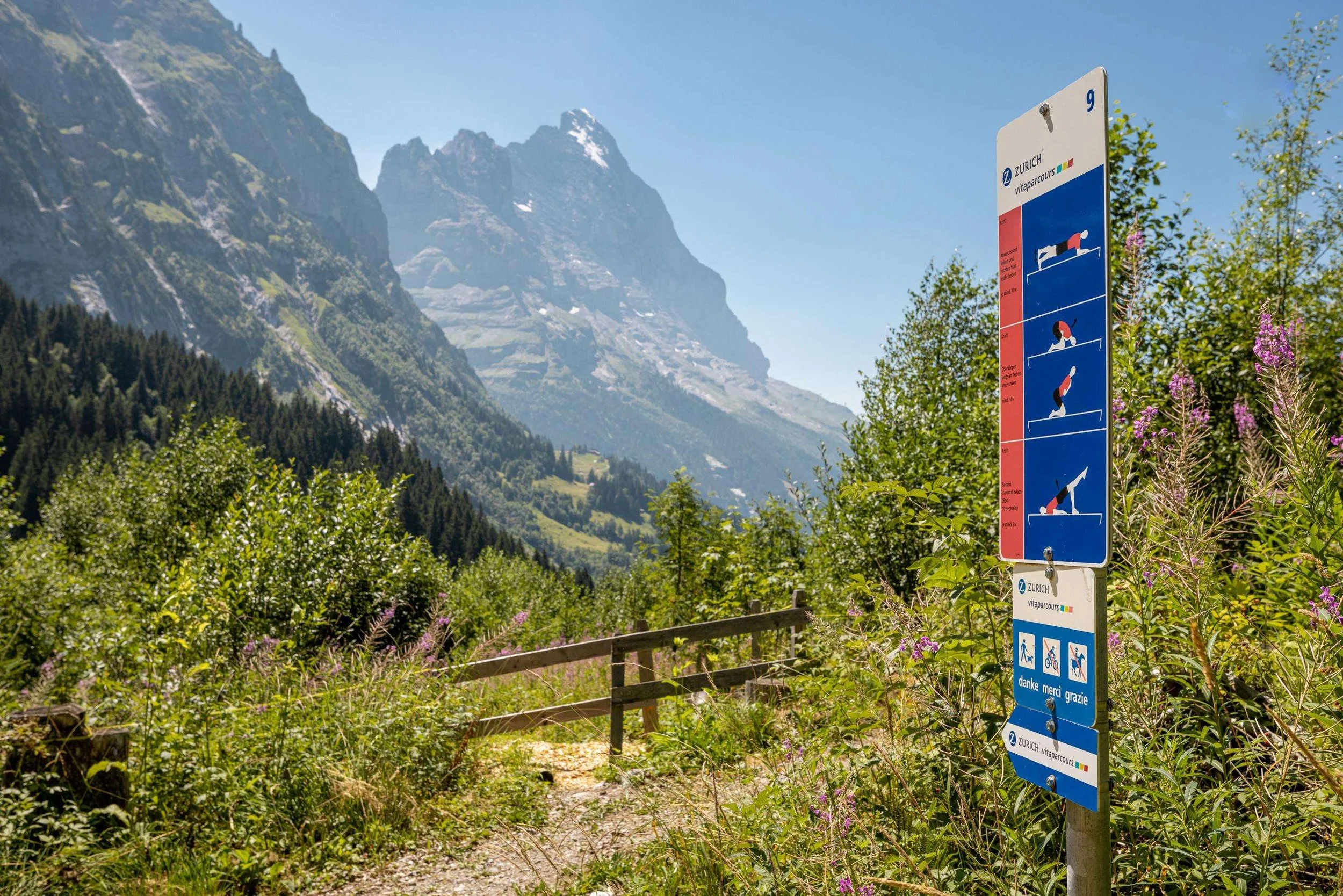
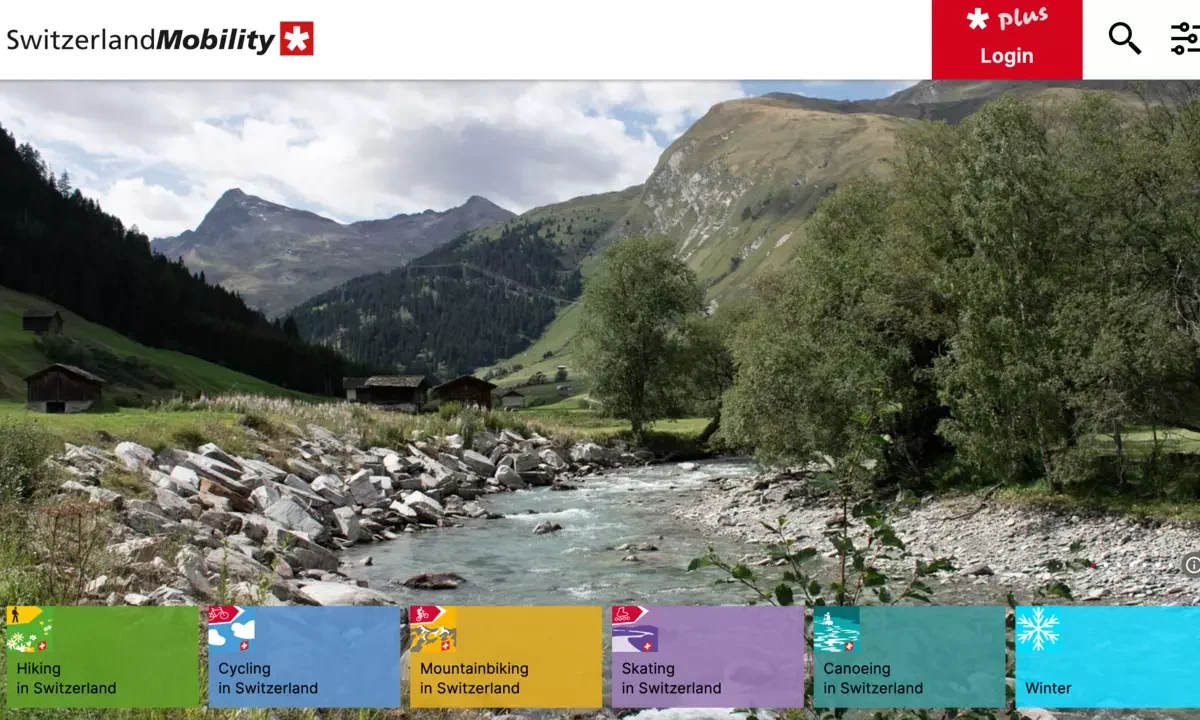
See it done well: the knooppunten (node) system, Netherlands; EuroVelo, Europe; the Park Connector Network, Singapore; Vitaparcours, Switzerland; SwitzerlandMobility, Switzerland.Found Places
Never built for activity per se, but used for it anyway: staircases, walls, woodland and derelict ground
Not every active place begins with a design brief. Some emerge because people simply see possibilities where others see leftover space. A long staircase becomes a favourite workout. An undercroft becomes a skate spot. A patch of woodland becomes a den-building playground. A fountain square fills with children after school. Desire lines appear across grass long before a path is laid.
These places remind us that people don't always wait for permission. They adapt, reinterpret and reclaim spaces for movement, often revealing a place's potential long before planners or designers recognise it. In many cases, today's celebrated active places began as yesterday's unofficial ones.
For Active Design, these places are more than curiosities, they are clues. They show us where people naturally want to gather, play and move, and offer a glimpse of what cities could become if we paid closer attention to everyday behaviour rather than assumptions about how space should be used.
Karen Franck and Quentin Stevens described these as "loose spaces": places whose openness allows unexpected uses to emerge.⁷ Perhaps the greatest lesson of all is that some of the best active places aren't designed into existence. They're discovered first, and designed second.
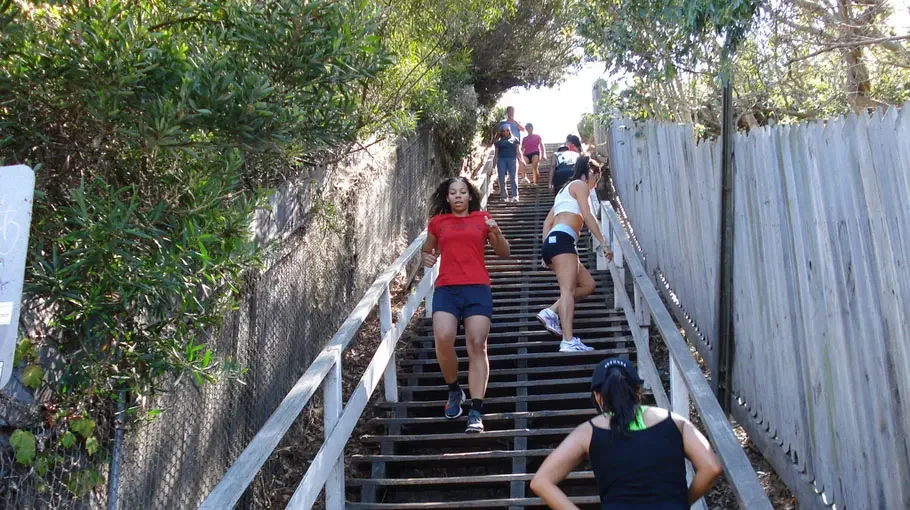
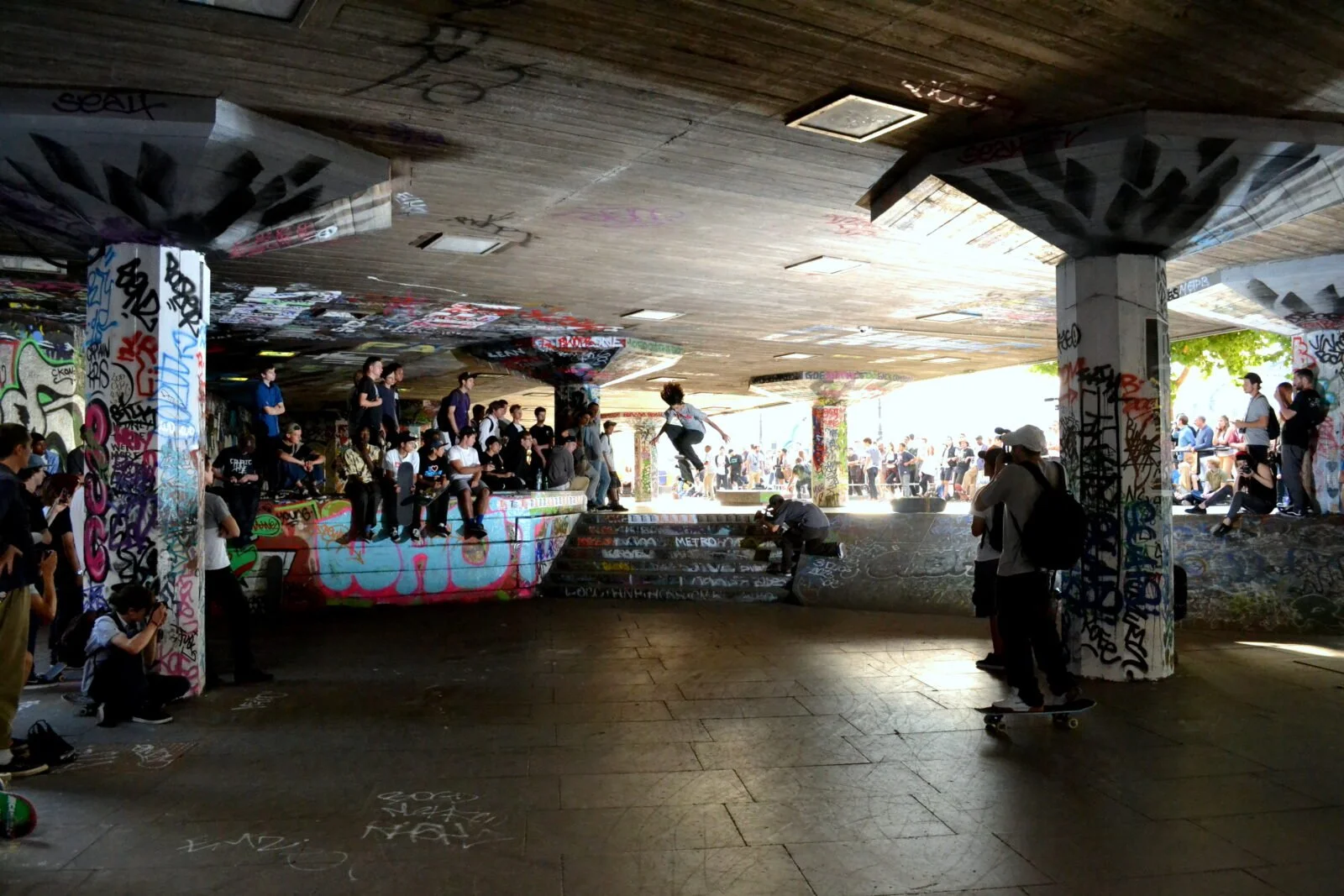
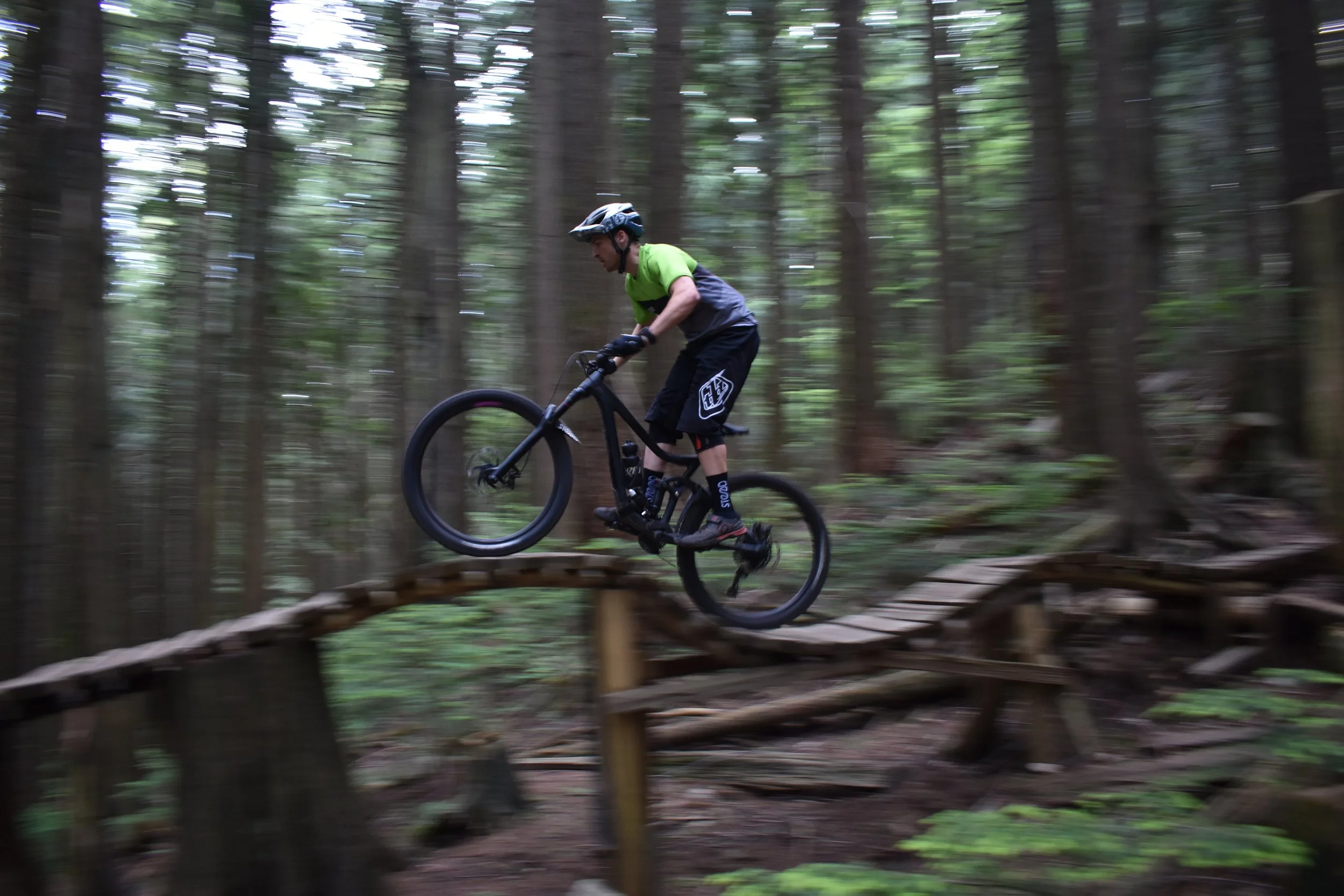
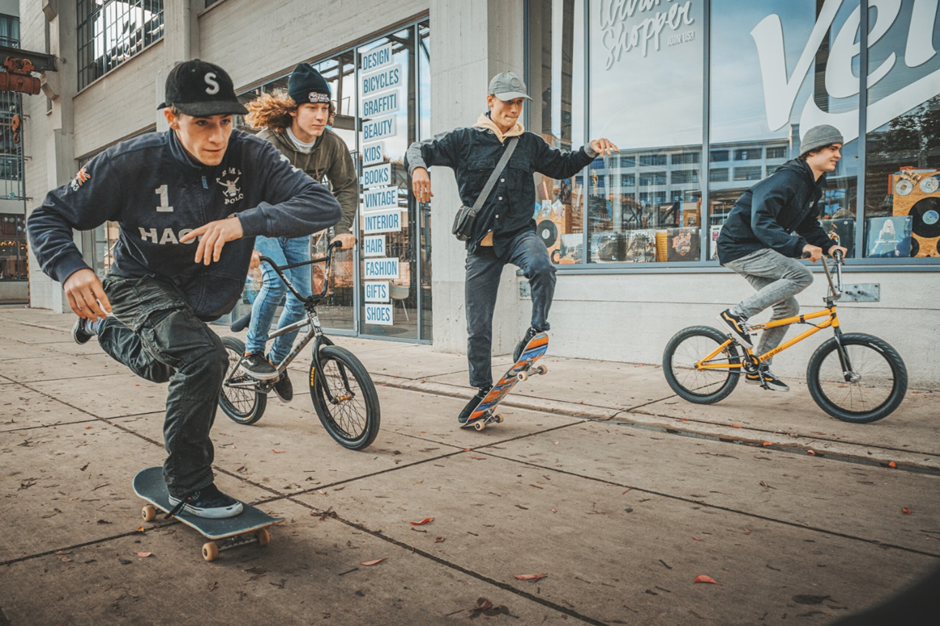
Known examples: Santa Monica Stairs, California; the Southbank Undercroft, London; the "War of the Woods," North Shore, BC, City Legends, GlobalWhen Active Places Foster Active Cultures
If we are serious about creating more active societies, this is where the practice needs to go.
If our mental picture of an active place stops at a leisure centre, a playground, football pitches and sports halls, that's what we will keep building, or worse, what we will keep reinforcing in the public imagination. Yet many of the world's most successful active places have become something much bigger than infrastructure. They have spawned entire outdoor subcultures: Copenhagen's harbour baths gave rise to havnebad culture; Switzerland's public bathing places became the Badi; skateparks nurtured skate culture; climbing crags fostered communities with their own language and rituals; trails became the heart of trail running and mountain biking cultures.
Give a place long enough, and people stop simply using it. They name it, ritualise it, build traditions around it, and eventually the place becomes shorthand for an entire way of life.
If we widen our map to include rooftops, rivers, streets, schools and reclaimed infrastructure, entirely different possibilities emerge for who can be active, where and how. Sometimes getting more people moving isn't about building a new facility at all. It's about opening up an existing place, making it welcoming, and giving local communities the freedom to shape what it becomes.
Active Design has already shown us that the built environment influences movement. The next step is understanding how places foster active cultures. Why do some spaces evolve into thriving communities while others remain underused? What rituals, identities, social norms and experiences make people move more throughout the day because it’s simply baked into the culture of the place?
Function still gets people through the gate, because for many there is no alternative. But when the health stakes are this high, we can do better than functional.
References & Further Reading
Heatherwick, T. (2023). Humanise: A Maker's Guide to Building Our World. Viking.
Strain, T., et al. (2024). National, Regional, and Global Trends in Insufficient Physical Activity among Adults from 2000 to 2022. The Lancet Global Health, 12(8), e1232–e1243. doi.org/10.1016/S2214-109X(24)00150-5
World Health Organization (2022). Global Status Report on Physical Activity 2022. who.int
New York City Department of Health and Mental Hygiene, with the Departments of Transportation, Parks, City Planning, Design and Construction, and Housing Preservation and Development, and the Center for Active Design (2025). Active Design Guidelines 2.0: Designing for Health and Equity. centerforactivedesign.org
Sport England, Active Travel England & the Office for Health Improvement and Disparities (2023). Active Design: Creating Active Environments Through Planning and Design. 3rd ed. sportengland.org
Woolley, H., & Lowe, A. (2013). Exploring the Relationship between Design Approach and Play Value of Outdoor Play Spaces. Landscape Research, 38(1), 53–74.
Franck, K. A., & Stevens, Q., eds. (2007). Loose Space: Possibility and Diversity in Urban Life. Routledge.
